Olivia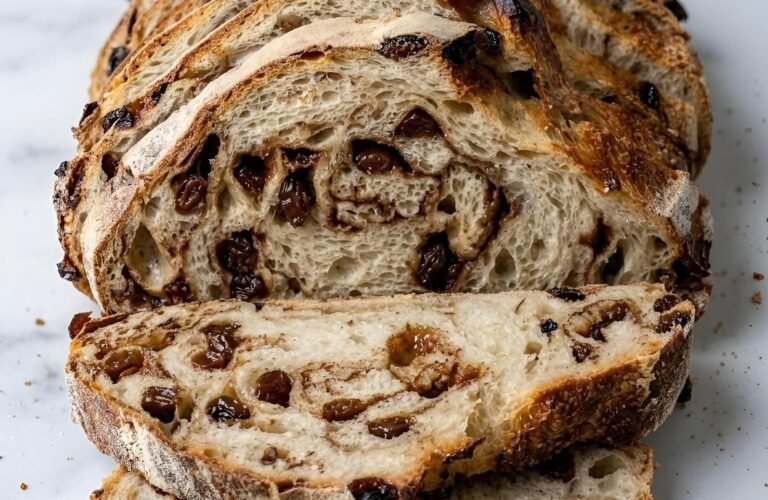
Cinnamon Raisin Sourdough Bread is soft, flavorful, slightly tangy, and filled with sweet raisins and warm cinnamon swirls in every slice. This comforting homemade bread combines the rich depth of naturally fermented sourdough with the cozy sweetness of cinnamon and raisins, creating a loaf that is perfect for breakfast, snacks, sandwiches, or dessert.
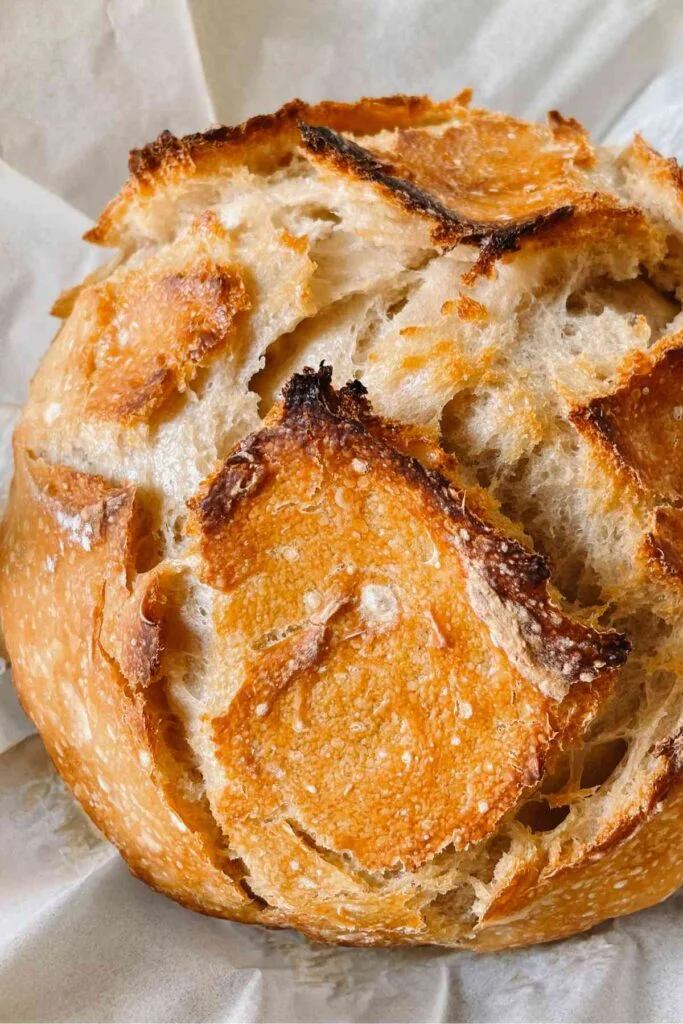
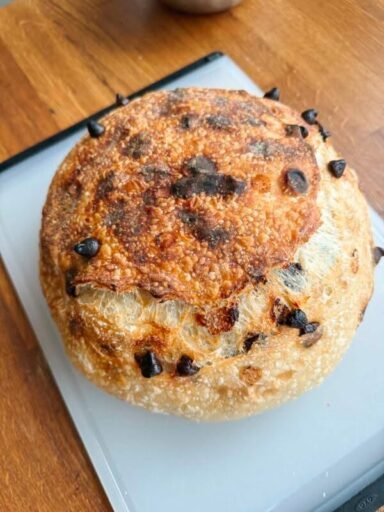
The crust bakes into a beautiful golden brown while the inside stays soft, chewy, and aromatic. Every slice delivers bursts of juicy raisins and ribbons of cinnamon sugar that pair perfectly with butter, cream cheese, or a warm cup of coffee.
Although sourdough bread may seem intimidating at first, this recipe breaks the process into simple steps, making it approachable even for beginner bakers. The long fermentation creates incredible flavor and texture while improving the bread’s softness and keeping quality.
Whether toasted in the morning or enjoyed fresh from the oven, Cinnamon Raisin Sourdough Bread feels comforting, homemade, and absolutely irresistible.
Why You’ll Love This Recipe
- Soft chewy sourdough texture
- Warm cinnamon flavor
- Sweet juicy raisins in every bite
- Naturally fermented homemade bread
- Perfect for breakfast and snacks
- Delicious toasted with butter
- Bakery-style flavor at home
What Makes Cinnamon Raisin Sourdough Special?
Traditional sourdough bread is usually savory, but adding cinnamon and raisins transforms it into a slightly sweet loaf with incredible depth of flavor.
The sourdough starter provides:
- Natural fermentation
- Chewy texture
- Mild tangy flavor
- Better shelf life
Meanwhile, cinnamon and raisins create sweetness and warmth that make the bread comforting and versatile.
Ingredients
For the Dough
- 500g bread flour
- 350g water
- 100g active sourdough starter
- 10g salt
- 2 tablespoons honey or sugar
For the Cinnamon Raisin Filling
- 1 cup raisins
- 2 tablespoons warm water
- ⅓ cup brown sugar
- 1 tablespoon cinnamon
- 2 tablespoons softened butter
Equipment Needed
- Large mixing bowl
- Banneton basket or bowl
- Dutch oven or baking stone
- Bench scraper
- Kitchen towel
- Sharp knife or bread lame
Step 1: Feed Your Starter
For best results, use an active bubbly sourdough starter.
Feed your starter about 4–6 hours before making the dough until it becomes doubled in size and active.
A healthy starter is essential for proper fermentation and rise.
Step 2: Soak the Raisins
Place the raisins in a small bowl and cover with warm water.
Allow them to soak for about 15–20 minutes.
Soaking keeps the raisins soft and prevents them from drawing moisture from the dough during fermentation.
Drain and pat dry before using.
Step 3: Mix the Dough
In a large bowl, combine:
- Water
- Active sourdough starter
- Honey or sugar
Mix until mostly dissolved.
Add the bread flour and stir until a shaggy dough forms.
Cover and let the dough rest for 30 minutes.
This rest period is called autolyse and helps improve gluten development.
Step 4: Add the Salt
Sprinkle the salt over the dough.
Use wet hands to squeeze and fold the dough until the salt is fully incorporated.
The dough may feel sticky at first but will become smoother as gluten develops.
Step 5: Stretch and Fold
Over the next 2 hours, perform stretch-and-folds every 30 minutes.
To do this:
- Grab one side of the dough
- Stretch it upward
- Fold it over itself
- Rotate the bowl and repeat
These folds strengthen the dough without heavy kneading.
After several folds, the dough should feel smoother and more elastic.
Step 6: Add the Raisins
During the final stretch-and-fold session, gently add the soaked raisins.
Fold carefully to distribute them evenly throughout the dough.
Avoid tearing the dough while incorporating the raisins.
The dough will become beautifully speckled with fruit.
Step 7: Bulk Fermentation
Cover the dough and allow it to ferment at room temperature for about 4–6 hours, depending on temperature.
The dough should become puffier and increase in volume.
Proper fermentation creates better flavor and airy texture.
Step 8: Prepare the Cinnamon Filling
In a small bowl, mix together:
- Brown sugar
- Cinnamon
Set aside.
The butter will be spread onto the dough before shaping.
Step 9: Shape the Dough
Transfer the dough onto a lightly floured surface.
Gently flatten it into a rectangle.
Spread softened butter over the surface, then sprinkle evenly with the cinnamon sugar mixture.
Roll the dough tightly like a jelly roll, then shape into a round or oval loaf.
This creates beautiful cinnamon swirls throughout the bread.
Try not to press too hard, which can remove air from the dough.
Step 10: Final Proof
Place the shaped loaf seam-side up into a floured banneton basket or bowl lined with a towel.
Cover and refrigerate overnight for cold fermentation.
The cold proof improves flavor and makes scoring easier.
The dough should feel puffy and slightly airy by morning.
Step 11: Preheat the Oven
The next day, preheat your oven to 475°F (245°C) with a Dutch oven inside.
A thoroughly heated Dutch oven helps create steam, which improves oven spring and crust texture.
Step 12: Score the Bread
Turn the dough onto parchment paper.
Use a sharp knife or bread lame to score the top.
Scoring allows the bread to expand properly while baking.
You can make a simple slash or decorative pattern.
Step 13: Bake the Bread
Carefully transfer the dough into the hot Dutch oven.
Cover with the lid and bake for 20 minutes.
Then remove the lid and bake another 20–25 minutes until deeply golden brown.
The crust should look crisp and caramelized.
Your kitchen will smell incredible from the cinnamon and freshly baked bread aroma.
Step 14: Cool Completely
Transfer the bread to a wire rack and allow it to cool completely before slicing.
Although warm bread is tempting, slicing too early can create gummy texture.
Cooling helps the crumb finish setting properly.
Tips for Perfect Cinnamon Raisin Sourdough
Use an Active Starter
A bubbly healthy starter creates better rise and texture.
Soak the Raisins
Soaked raisins stay soft and juicy after baking.
Don’t Overfill with Cinnamon Sugar
Too much filling can create gaps inside the bread.
Use Bread Flour
Bread flour provides better structure and chewiness.
Allow Enough Fermentation Time
Slow fermentation develops deeper flavor.
Flavor Variations
Walnut Cinnamon Raisin Bread
Add chopped walnuts for crunch and richness.
Orange Raisin Bread
Add orange zest for citrus brightness.
Maple Cinnamon Bread
Use maple syrup instead of sugar.
Apple Cinnamon Sourdough
Add small diced dried apples for extra sweetness.
Cream Cheese Swirl Bread
Add sweetened cream cheese filling for dessert-style bread.
Why Cold Fermentation Helps
Cold fermentation improves:
- Flavor depth
- Dough structure
- Crust development
- Easier scoring
The slower fermentation allows the sourdough flavor to become richer and more balanced.
Storage Instructions
Store bread wrapped at room temperature for up to 3 days.
For longer freshness, keep in an airtight container.
Avoid refrigerating because refrigeration can dry out bread.
Freezing Instructions
Cinnamon Raisin Sourdough freezes beautifully.
Slice the loaf before freezing for easier serving later.
Wrap tightly and freeze for up to 2 months.
Toast slices directly from frozen if desired.
Best Ways to Serve Cinnamon Raisin Sourdough
This bread tastes amazing:
- Toasted with butter
- With cream cheese
- With peanut butter
- As French toast
- With coffee or tea
- As breakfast sandwiches
The sweet cinnamon flavor makes it especially delicious in the morning.
French Toast Variation
Cinnamon Raisin Sourdough makes incredible French toast.
The cinnamon and raisins caramelize beautifully while cooking.
Serve with maple syrup, berries, or powdered sugar for an extra special breakfast.
Nutritional Benefits
Homemade sourdough bread contains fewer preservatives than many store-bought sweet breads.
Raisins provide natural sweetness and fiber, while sourdough fermentation may improve digestibility for some people.
Common Mistakes to Avoid
Weak Starter
Inactive starter leads to dense bread.
Underproofing
Underproofed dough may bake into a heavy loaf.
Too Much Flour During Shaping
Excess flour can dry out the dough.
Slicing Too Soon
Warm bread can become gummy inside.
Why Homemade Sourdough Is Worth It
Homemade sourdough offers:
- Better flavor
- Fresher ingredients
- Crispy crust
- Soft chewy crumb
- Natural fermentation
- Endless customization
The process itself is also rewarding and relaxing for many bakers.
Perfect for Any Occasion
Cinnamon Raisin Sourdough Bread is perfect for:
- Weekend breakfasts
- Holiday brunches
- Homemade gifts
- Afternoon tea
- French toast
- Snack platters
- Cozy family mornings
Its sweet comforting flavor makes it popular with both adults and children.
Final Thoughts
Cinnamon Raisin Sourdough Bread is warm, flavorful, soft, and beautifully comforting. The combination of tangy sourdough, sweet raisins, and rich cinnamon swirls creates a homemade loaf that feels both rustic and bakery-quality.
Whether toasted with butter, turned into French toast, or enjoyed fresh from the oven, this bread delivers incredible flavor and texture in every bite. Once you experience the aroma and taste of homemade Cinnamon Raisin Sourdough Bread, it is sure to become a favorite recipe you return to again and again.