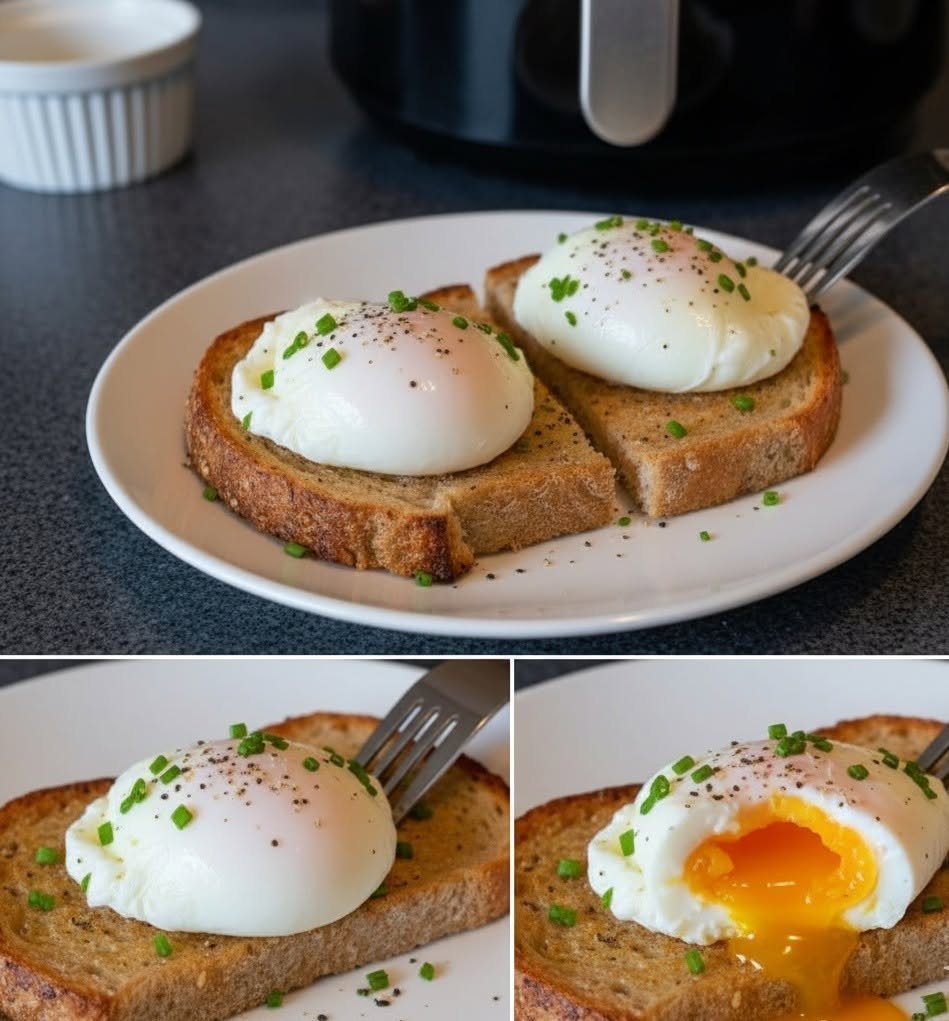

Perfect Poached Eggs Recipe – Easy Step-by-Step Guide
Poached eggs are one of the simplest ways to turn an ordinary breakfast into something special. With silky whites and a rich, creamy yolk, a perfectly poached egg is delicious on toast, avocado, salads, breakfast bowls, or alongside fresh vegetables.
Although poaching eggs can seem intimidating at first, the technique is actually quite simple once you understand a few basic principles. Fresh eggs, gently simmering water, and careful timing are the keys to creating beautifully shaped eggs with tender whites and soft yolks.
This Perfect Poached Eggs Recipe walks you through the entire process, from preparing the water and egg to creating a gentle vortex and removing the egg without breaking it. You can also adjust the cooking time depending on whether you prefer a very runny, jammy, or more firmly cooked yolk.
Why You’ll Love This Poached Egg Recipe
There are many reasons to add poached eggs to your breakfast routine:
- Simple ingredients: You only need eggs, water, and optional vinegar.
- Quick to make: A single egg can be ready in just a few minutes.
- Healthy preparation: Poaching doesn’t require frying the egg in oil or butter.
- Versatile: Serve poached eggs with toast, vegetables, salads, potatoes, or breakfast bowls.
- Elegant but easy: The finished egg looks restaurant-worthy without complicated equipment.
- Customizable: Adjust the cooking time to achieve your favorite yolk consistency.
What Makes a Perfect Poached Egg?
A good poached egg has a tender white that completely surrounds the yolk. The yolk should be warm and creamy inside, with the consistency determined by cooking time.
Unlike fried eggs, poached eggs are cooked directly in gently simmering water. This produces a delicate texture and allows the natural flavor of the egg to shine.
The biggest challenge is keeping the egg white together instead of allowing it to spread throughout the water. Using very fresh eggs and removing the thin, watery portion of the white with a fine-mesh strainer can make a noticeable difference.
Ingredients
For one poached egg, you will need:
- 1 large fresh egg
- Water, enough to fill a saucepan or deep skillet
- 1–2 tablespoons vinegar, optional
- Salt and black pepper, for serving
If making several eggs, simply repeat the process or poach multiple eggs in a large pan while leaving enough space between them.
Choosing the Best Eggs
Fresh eggs are especially important when making poached eggs.
As eggs age, the egg white becomes thinner and more watery. This can cause the white to spread throughout the water rather than staying neatly around the yolk.
Fresh eggs have thicker whites that hold their shape much better.
If possible, use eggs that are fresh and have been properly refrigerated. Room-temperature eggs can also be used, but refrigerated eggs are perfectly suitable for this method.
Equipment You’ll Need
You don’t need specialized equipment to make poached eggs. Gather:
- A medium or large saucepan or deep skillet
- Fine-mesh sieve
- Small ramekin or bowl
- Slotted spoon
- Paper towel or clean kitchen towel
- Timer
A wide pan is especially useful if you want to poach several eggs at once.
How to Make Perfect Poached Eggs
Step 1: Heat the Water
Fill a medium saucepan or deep skillet with enough water to give the egg plenty of room to cook.
Bring the water to a boil over medium-high heat.
Once it reaches a boil, reduce the heat until the water settles into a gentle simmer.
The water should have small bubbles moving around the pan but should not be rapidly boiling.
Rapidly boiling water can cause the delicate egg white to break apart and may result in a less attractive poached egg.
Step 2: Add Vinegar if Desired
Add about 1–2 tablespoons of vinegar to the simmering water.
Vinegar is optional, but it can help the egg white set more quickly and hold together during poaching.
A mild white vinegar works well. If you’re concerned about the vinegar affecting the flavor, don’t worry—most of the flavor is left behind in the water.
You can also make poached eggs without vinegar by using very fresh eggs and maintaining the correct water temperature.
Step 3: Strain the Egg
Crack the egg carefully into a fine-mesh sieve positioned over a small bowl.
Allow the thin, watery portion of the egg white to drain through the sieve.
Gently transfer the remaining egg and yolk into a ramekin.
This simple step helps create a neater poached egg because the looser white is less likely to create wispy strands in the water.
Step 4: Create a Gentle Vortex
Using a spoon, stir the simmering water in a circular motion.
You don’t need a very powerful whirlpool. A gentle vortex in the center of the pan is enough.
The movement of the water helps guide the egg white around the yolk as the egg begins to cook.
If you are poaching several eggs at once, you don’t necessarily need to create a vortex for every egg. Instead, carefully slide each egg into a separate area of the pan.
Step 5: Add the Egg
Hold the ramekin close to the surface of the water.
Gently slide the egg into the center of the vortex.
Try not to drop the egg from a height, as this can break the yolk or cause the white to spread.
Once the egg enters the water, leave it undisturbed.
Step 6: Cook the Egg
Allow the egg to poach for approximately 3 minutes.
At this point, the white should be set while the yolk remains soft and runny.
If you prefer a slightly firmer yolk, continue cooking for another minute or two.
Avoid stirring the water while the egg cooks. Let the gentle heat do the work.
Step 7: Remove the Egg
Once the egg reaches your preferred level of doneness, carefully lift it from the water using a slotted spoon.
Hold the spoon over the pan for a few seconds to allow excess water to drain.
Then gently place the poached egg onto a paper towel or clean kitchen towel to absorb any remaining water.
Your poached egg is now ready to serve.
Poached Egg Cooking Guide
Cooking time can be adjusted according to your preference.
- About 3 minutes: Set white with a soft, runny yolk
- About 4 minutes: Slightly thicker, jammy yolk
- About 5 minutes: More firmly cooked yolk
Exact timing may vary depending on the size of the egg, water temperature, pan, and desired consistency.
For the classic poached egg experience, around three minutes is a good starting point.
Tips for Perfect Poached Eggs
Use Fresh Eggs
Fresh eggs have thicker whites, making them much easier to poach neatly.
Keep the Water at a Gentle Simmer
This is one of the most important steps. Avoid a vigorous boil because strong bubbling can break apart the egg white.
Strain the Watery White
Using a fine-mesh sieve removes the loose portion of the egg white and helps create a cleaner shape.
Crack the Egg Into a Ramekin
Preparing the egg in a small bowl makes it easier to slide gently into the water.
Don’t Overcrowd the Pan
If you’re making multiple poached eggs, use a wide pan and leave enough space between each egg.
Use a Timer
Poached eggs cook quickly, so timing makes a big difference. Start with three minutes and adjust from there.
Drain Before Serving
A slotted spoon removes the egg while allowing excess water to drain away. A quick dab with a paper towel prevents watery toast or other dishes.
Can You Make Poached Eggs Ahead of Time?
Yes, poached eggs can be prepared ahead when needed.
After cooking, immediately transfer the eggs to a bowl of ice water. This stops the cooking process and helps keep the yolks from becoming overcooked.
Store the cooled eggs in a covered container in the refrigerator.
For food safety, follow appropriate egg-handling and refrigeration practices, and use refrigerated cooked eggs promptly rather than keeping them for several days.
How to Reheat Poached Eggs
To gently warm a refrigerated poached egg, place it in hot—not boiling—water for a short period until heated through.
Remove it with a slotted spoon and gently pat it dry before serving.
Avoid boiling the egg during reheating because the yolk can become firm and the white may turn rubbery.
Delicious Ways to Serve Poached Eggs
Poached eggs are incredibly versatile and can be served in countless ways.
Classic Avocado Toast
Spread mashed avocado over toasted bread and place a poached egg on top. Finish with salt, pepper, chili flakes, or a squeeze of lemon.
Eggs Benedict
Use a toasted English muffin topped with ham or Canadian bacon, a poached egg, and hollandaise sauce for a classic brunch favorite.
Breakfast Bowl
Add a poached egg to roasted potatoes, sautéed vegetables, spinach, and avocado for a hearty breakfast bowl.
Green Salad
A warm poached egg makes a simple green salad much more satisfying. When the yolk breaks, it can act almost like a creamy dressing.
Toast and Greens
Serve the egg over buttered toast with sautéed spinach, kale, or other leafy greens.
Breakfast Grain Bowl
Add a poached egg to cooked quinoa, rice, or other grains with vegetables and your favorite seasonings.
Poached Egg Variations
Herb Poached Eggs
Finish cooked eggs with fresh parsley, chives, dill, or basil.
Spicy Poached Eggs
Add chili flakes, cayenne pepper, hot sauce, or a drizzle of chili oil.
Garlic and Herb Toast
Serve the egg over garlic-rubbed toast and finish with fresh herbs.
Mediterranean Style
Pair your poached egg with tomatoes, cucumber, feta cheese, olives, and fresh herbs.
Smoked Salmon Breakfast
Serve the egg with toasted bread, smoked salmon, avocado, and a squeeze of lemon for an elegant breakfast.
Common Poached Egg Problems
Why Did My Egg Spread Everywhere?
The egg may not have been fresh enough, or the water may have been too still or too hot. Straining the watery white before cooking can also help.
Why Did My Egg White Break Apart?
Rapidly boiling water can cause the egg white to separate. Lower the heat and maintain a gentle simmer.
Why Is My Yolk Too Firm?
The egg probably cooked too long. Reduce the cooking time by 30–60 seconds during your next attempt.
Why Is My Egg Watery?
Make sure the egg is fully drained after cooking. A slotted spoon and a quick pat with a paper towel can remove excess water.
Do I Have to Use Vinegar?
No. Vinegar is optional. It can help the whites set more quickly, but fresh eggs and proper water temperature are the most important factors.
Frequently Asked Questions
How long does it take to poach an egg?
A classic runny poached egg usually takes around 3 minutes, although cooking time can vary.
What temperature should poaching water be?
The water should be at a gentle simmer rather than a rolling boil. You want gentle movement and small bubbles rather than aggressive bubbling.
Can I poach more than one egg?
Yes. Use a wide pan and give the eggs enough space so they don’t stick together.
Can I poach eggs without vinegar?
Absolutely. Vinegar is optional and isn’t essential for making a successful poached egg.
What’s the best egg for poaching?
Fresh large eggs are ideal because their whites are thicker and hold together better.
Simple Poached Eggs Recipe Card
Perfect Poached Eggs
Prep Time: 5 minutes
Cook Time: 3–5 minutes
Total Time: About 10 minutes
Servings: 1 egg
Course: Breakfast
Cuisine: American-inspired
Ingredients
- 1 large fresh egg
- Water, enough for poaching
- 1–2 tablespoons vinegar, optional
- Salt and black pepper, for serving
Instructions
- Fill a saucepan or deep skillet with enough water to submerge the egg.
- Bring the water to a boil, then reduce the heat to maintain a gentle simmer.
- Add vinegar if desired.
- Crack the egg into a fine-mesh sieve and allow the watery white to drain.
- Transfer the egg to a ramekin.
- Stir the simmering water gently to create a small vortex.
- Carefully slide the egg into the center of the water.
- Cook for about 3 minutes for a runny yolk, or longer for a firmer yolk.
- Remove the egg with a slotted spoon.
- Drain on a paper towel and season with salt and black pepper.
- Serve immediately with toast, avocado, vegetables, or your favorite breakfast dish.
Nutrition Information
Approximate nutrition for one large poached egg:
- Calories: 65 kcal
- Protein: 5 g
- Fat: 4 g
- Saturated Fat: 1 g
- Cholesterol: 163 mg
- Sodium: 62 mg
- Potassium: 60 mg
- Vitamin A: 240 IU
- Calcium: 25 mg
- Iron: 0.8 mg
Nutrition values are approximate and can vary depending on egg size and ingredients used.
Final Thoughts
Making perfect poached eggs at home is much easier than it may seem. Once you learn to control the water temperature, use fresh eggs, and pay attention to cooking time, you can consistently create tender whites and beautifully runny yolks.
The technique is simple enough for an everyday breakfast but impressive enough for a weekend brunch. Serve your poached eggs over crispy toast, creamy avocado, fresh greens, roasted vegetables, or use them to create a classic Eggs Benedict.
With just an egg, water, and a few minutes, you can make a breakfast that is simple, nutritious, and delicious.