Olivia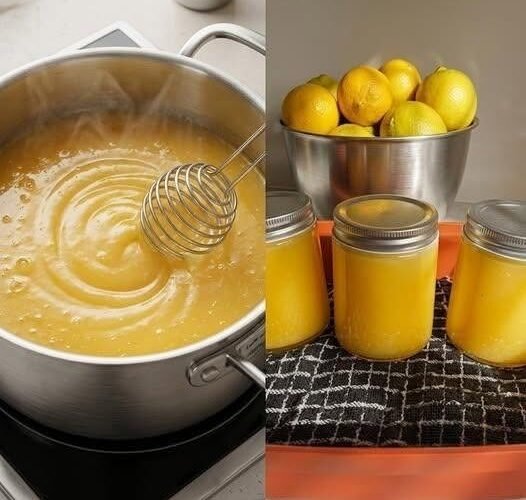
Sourdough Lemon Curd is a bright, silky, and irresistibly creamy spread that gives leftover sourdough discard a delicious new purpose. With its fresh lemon flavor, buttery texture, and beautiful golden color, this homemade curd is perfect for spreading on sourdough toast, filling sweet rolls, layering into cakes, or serving alongside pancakes and waffles.
The subtle tang of sourdough pairs surprisingly well with sweet and tart lemon. Instead of throwing away your extra discard, you can transform it into something elegant enough for brunch and simple enough for everyday baking.
This recipe uses a small amount of sourdough discard for extra depth of flavor while keeping the classic smooth texture of lemon curd.
Why You’ll Love This Recipe
- Bright and refreshing lemon flavor
- A creative way to use sourdough discard
- Smooth, creamy, and buttery
- Easy stovetop recipe
- Perfect for breakfast or dessert
- Wonderful for cakes and pastries
- Can be made ahead
- Uses simple ingredients
Ingredients
- ½ cup (120g) sourdough discard
- ½ cup (120ml) fresh lemon juice
- 1 tablespoon finely grated lemon zest
- ¾ cup (150g) granulated sugar
- 3 large eggs
- 2 large egg yolks
- ½ cup (113g) unsalted butter, cut into small pieces
- ¼ teaspoon salt
- 1 teaspoon vanilla extract
For the best flavor, use freshly squeezed lemon juice and finely grated zest from unwaxed lemons.
What Kind of Sourdough Discard Should You Use?
For this recipe, unfed sourdough discard works beautifully. It can come directly from the refrigerator as long as it smells pleasantly tangy and does not show signs of spoilage.
A mild wheat-based sourdough starter is ideal because it adds subtle acidity without overpowering the lemon.
Avoid using discard that has an unpleasant odor or visible mold.
Step 1: Prepare the Lemons
Wash the lemons thoroughly and dry them.
Finely grate the yellow outer layer of the lemon peel. Avoid grating too deeply into the white pith because it can add bitterness.
Juice the lemons until you have ½ cup of fresh lemon juice.
For a stronger lemon flavor, you can add a little extra zest.
Step 2: Combine the Eggs and Sugar
Place the eggs, egg yolks, and sugar in a medium heatproof saucepan.
Whisk until the mixture becomes smooth and slightly lighter in color.
Don’t whip it excessively. The goal is simply to combine everything evenly.
Step 3: Add the Lemon and Sourdough
Add:
- Fresh lemon juice
- Lemon zest
- Sourdough discard
- Salt
Whisk thoroughly until the mixture is smooth.
The sourdough discard may initially look slightly different from the other ingredients, so whisk well to ensure everything is incorporated.
Step 4: Cook the Lemon Curd
Place the saucepan over low to medium-low heat.
Cook the mixture slowly while whisking constantly.
This is one of the most important steps in the recipe. Gentle heat allows the eggs to thicken the curd without scrambling.
Continue cooking for approximately 8–12 minutes.
The mixture will gradually become thicker.
How Do You Know When Lemon Curd Is Ready?
The curd is ready when it:
- Coats the back of a spoon
- Looks glossy
- Has a creamy consistency
- Thickens noticeably as you stir
If using a kitchen thermometer, aim for approximately 170–175°F (77–79°C).
Avoid bringing the curd to a full boil.
Step 5: Add the Butter
Remove the saucepan from the heat.
Add the butter a few pieces at a time, whisking continuously.
The butter will melt into the warm curd and create a smooth, silky texture.
Continue whisking until all the butter has melted.
Step 6: Add Vanilla
Stir in the vanilla extract.
Taste the curd carefully.
If you prefer a sweeter flavor, you can add a small amount of additional sugar while the mixture is still warm.
Step 7: Strain the Curd
For an exceptionally smooth lemon curd, place a fine-mesh sieve over a clean bowl.
Pour the warm curd through the sieve.
Use a spatula to gently push the mixture through.
This removes:
- Lemon zest pieces
- Any tiny cooked egg particles
- Small lumps
The result will be beautifully smooth and glossy.
Step 8: Cool the Lemon Curd
Transfer the curd to a clean container.
Place plastic wrap directly against the surface to prevent a skin from forming.
Allow it to cool at room temperature for about 20–30 minutes.
Then refrigerate.
The curd will become noticeably thicker as it chills.
The Perfect Texture
Freshly cooked lemon curd will be relatively soft and pourable.
After refrigeration, it should become:
- Thick
- Creamy
- Spreadable
- Silky
If it becomes too firm, allow it to sit at room temperature for several minutes before using.
Tips for Perfect Sourdough Lemon Curd
Use Fresh Lemon Juice
Fresh lemons provide a much brighter flavor than bottled lemon juice.
Cook Slowly
High heat can scramble the eggs.
Low and gentle heat gives you a smoother result.
Whisk Constantly
Continuous stirring prevents the eggs from sticking to the bottom of the pan.
Don’t Skip the Straining Step
Even if your curd looks smooth, straining produces an exceptionally silky final texture.
Use Unsalted Butter
This gives you better control over the final flavor.
How to Use Sourdough Lemon Curd
There are countless ways to enjoy this homemade curd.
Spread it over:
- Sourdough toast
- English muffins
- Biscuits
- Pancakes
- Waffles
- Scones
Use it as a filling for:
- Sourdough sweet rolls
- Cakes
- Cupcakes
- Crepes
- Doughnuts
- Tart shells
You can also swirl it into Greek yogurt or spoon it over fresh berries for an easy dessert.
Sourdough Lemon Curd Sweet Rolls
One of the best ways to use this curd is as a filling for homemade sourdough sweet rolls.
Spread a thin layer over rolled-out enriched dough, then roll tightly and slice.
After baking, drizzle with a simple lemon glaze.
The combination of buttery bread and tart lemon curd is absolutely delicious.
Lemon Curd Cheesecake Topping
Use chilled lemon curd as a topping for cheesecake.
Spoon it over each slice just before serving.
The bright citrus flavor balances the richness of cheesecake beautifully.
Lemon Raspberry Dessert
Layer:
- Greek yogurt
- Lemon curd
- Fresh raspberries
- Crushed cookies
in small glasses.
It’s an easy dessert that looks elegant enough for guests.
Flavor Variations
Orange Curd
Replace the lemon juice with fresh orange juice and use orange zest.
Lime Curd
Use fresh lime juice and zest for a sharper citrus flavor.
Berry Lemon Curd
Fold fresh raspberry puree into the finished curd.
Coconut Lemon Curd
Add a small amount of coconut extract and serve with toasted coconut.
Ginger Lemon Curd
Add ½ teaspoon finely grated fresh ginger for a warm, spicy note.
Storage
Store sourdough lemon curd in an airtight container in the refrigerator.
It is best used within approximately 1 week.
Always use clean utensils when serving to help maintain freshness.
Can You Freeze Lemon Curd?
Yes.
Transfer cooled lemon curd to a freezer-safe container and freeze for up to 3 months.
Leave some space at the top for expansion.
Thaw overnight in the refrigerator and whisk gently before serving.
The texture should remain creamy after thawing.
Common Mistakes to Avoid
Cooking Over High Heat
This can cause the eggs to scramble.
Not Stirring
The bottom of the saucepan can become too hot, causing lumps.
Using Too Much Sourdough Discard
Too much discard can make the curd overly tangy and change its texture.
Skipping the Butter
Butter provides the luxurious richness that makes lemon curd so creamy.
Cutting the Lemon Zest Too Deeply
Avoid the white pith because it can make the curd bitter.
Frequently Asked Questions
Can I Use Active Sourdough Starter?
Yes. Active starter can be used, although discard is more convenient for this recipe.
Will It Taste Like Sourdough?
The lemon remains the dominant flavor. The sourdough contributes a subtle tang that complements the citrus.
Can I Make It Without Butter?
Butter is an important part of the traditional texture, but you can experiment with coconut oil or another fat. The final consistency will be different.
Why Is My Lemon Curd Too Thin?
It may need additional cooking time. Return it to low heat and continue stirring until it coats the back of a spoon. Remember that it also thickens significantly as it cools.
Why Did My Curd Become Lumpy?
The heat was likely too high or the mixture wasn’t stirred enough. Straining the finished curd through a fine-mesh sieve can remove small lumps.
Serving Suggestions
For a beautiful breakfast or brunch spread, serve your Sourdough Lemon Curd with:
- Toasted sourdough bread
- Fresh berries
- Homemade scones
- Greek yogurt
- Pancakes
- Waffles
- Croissants
For dessert, spoon it over vanilla ice cream or use it as a filling for layer cakes.
Final Thoughts
Sourdough Lemon Curd is a delicious and creative way to turn extra sourdough discard into something truly special. Its smooth buttery texture, bright lemon flavor, and subtle sourdough tang make it incredibly versatile.
Whether you’re spreading it over warm sourdough toast, filling sweet rolls, layering it into a cake, or serving it with fresh berries, this homemade lemon curd brings a fresh and luxurious touch to countless recipes.
Once you make your own, you’ll always want a jar in the refrigerator.