
Sourdough Crepes Recipe
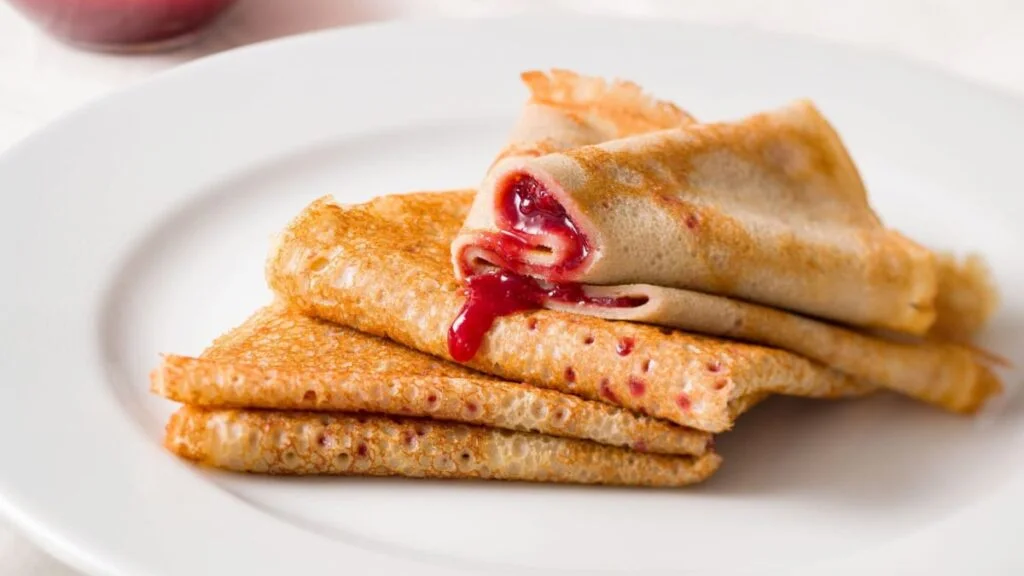
These Sourdough Crepes are thin, delicate, buttery, and wonderfully versatile. They are an easy way to use sourdough starter or discard while creating a breakfast or dessert that feels special without requiring complicated ingredients.
The sourdough adds a subtle tang that works beautifully with sweet or savory fillings. Serve them with fresh berries and powdered sugar for breakfast, fill them with yogurt and fruit for a light snack, or turn them into a savory meal with cheese, eggs, chicken, or vegetables.
One of the best things about sourdough crepes is their texture. Unlike thick pancakes, crepes are meant to be thin and flexible, with lightly crisp edges and a tender center. The batter comes together quickly, and you can cook the crepes one at a time in a skillet until golden around the edges.
Why You’ll Love These Sourdough Crepes
- Great way to use sourdough discard
- Thin, soft, and flexible
- Easy one-bowl recipe
- Works for breakfast, dessert, or dinner
- Delicious with sweet or savory fillings
- Can be prepared ahead
- Freezer-friendly
- Simple ingredients
- Naturally flavorful from sourdough starter
Recipe Details
Prep Time: 10 minutes
Resting Time: 20–30 minutes, optional
Cook Time: About 20 minutes
Total Time: About 40 minutes
Yield: Approximately 8–10 crepes, depending on size
Ingredients
- 1 cup sourdough starter or discard
- 1 cup milk
- 2 large eggs
- 2 tablespoons melted unsalted butter
- 1 tablespoon granulated sugar, for sweet crepes
- ½ teaspoon salt
- ½ teaspoon vanilla extract, optional for sweet crepes
- Additional butter or oil for cooking
For savory crepes, you can omit the sugar and vanilla.
How to Make Sourdough Crepes
Step 1: Combine the Ingredients
Add the sourdough starter, milk, eggs, melted butter, sugar, salt, and vanilla to a large mixing bowl.
Whisk everything together until the batter is smooth.
The batter should be considerably thinner than pancake batter. Crepe batter needs to spread quickly across the pan, so a thin, pourable consistency is important.
If the batter appears too thick, add a small splash of milk and whisk again.
Step 2: Rest the Batter
Allow the batter to rest for approximately 20–30 minutes.
This step is optional, but resting gives the flour time to hydrate and can help produce more tender crepes.
If you’re in a hurry, you can cook the crepes immediately.
For a stronger sourdough flavor, the batter can also be refrigerated for a longer period before cooking, provided it is stored safely and the recipe’s ingredients are kept refrigerated.
Step 3: Heat the Pan
Place a nonstick skillet or crepe pan over medium heat.
Lightly grease the surface with butter or a small amount of oil.
The pan should be hot enough that the batter begins spreading immediately when added, but it should not be so hot that the crepe browns before you can spread it.
Step 4: Pour the Batter
Give the batter a quick stir before cooking.
Pour a small amount of batter into the center of the hot pan.
Immediately lift and tilt the pan in a circular motion so the batter spreads into a thin, even layer.
The exact amount of batter depends on the size of your pan.
Step 5: Cook the First Side
Cook the crepe for approximately 1–2 minutes.
The edges should begin to look dry and lightly golden, while the surface should lose its wet appearance.
When the crepe releases easily from the pan, it is ready to flip.
Step 6: Flip
Use a thin spatula to carefully loosen the edges.
Slide the spatula underneath the crepe and flip it.
Cook the second side for approximately 30–60 seconds, or until lightly golden.
Transfer the finished crepe to a plate.
Continue with the remaining batter, lightly greasing the pan whenever needed.
Step 7: Keep the Crepes Warm
Stack the cooked crepes on a plate.
You can cover them loosely with a clean kitchen towel to help keep them warm and soft.
As the crepes stack, their own warmth and moisture help keep them flexible.
Tips for Perfect Sourdough Crepes
Keep the Batter Thin
The batter should easily flow across the pan. Thick batter produces pancakes rather than classic crepes.
Don’t Overheat the Pan
Medium heat usually works well. Excessive heat can cause the edges to burn before the center cooks properly.
Grease Lightly
Too much butter or oil can cause uneven cooking. A very thin coating is usually enough.
Stir Between Crepes
Sourdough starter and flour can settle slightly while the batter sits. Give the batter a gentle stir before pouring each crepe.
Make the First Crepe a Test
The first crepe is often your test crepe. Use it to determine whether your pan is too hot, too cool, or needs a small adjustment to the batter consistency.
Sweet Sourdough Crepe Ideas
Sourdough crepes are perfect for sweet fillings.
Try filling them with:
- Fresh strawberries and whipped cream
- Blueberries and Greek yogurt
- Bananas and peanut butter
- Nutella and sliced strawberries
- Lemon curd and powdered sugar
- Cinnamon apples
- Cream cheese and berries
- Honey and yogurt
- Chocolate sauce and bananas
For a simple breakfast, fold a warm crepe into quarters and sprinkle it with powdered sugar.
Sourdough Berry Crepes
Spread Greek yogurt or whipped cream over a warm crepe.
Add fresh strawberries, blueberries, or raspberries.
Fold or roll the crepe and finish with a light dusting of powdered sugar.
Cinnamon Apple Crepes
Cook diced apples with cinnamon and a little brown sugar until tender.
Spoon the warm apples into the center of a crepe and fold it over.
A drizzle of maple syrup makes a delicious finishing touch.
Savory Sourdough Crepes
Simply leave out the sugar and vanilla to create a neutral crepe batter.
Fill the crepes with:
- Scrambled eggs and cheese
- Spinach and feta
- Chicken and vegetables
- Mushrooms and cheese
- Ham and cheese
- Roasted vegetables
- Creamy chicken
- Turkey and cheese
Savory sourdough crepes are particularly useful for breakfast, brunch, lunch, or a light dinner.
Chicken and Cheese Crepes
Fill a warm crepe with cooked shredded chicken and your favorite shredded cheese.
Fold the crepe and return it briefly to the skillet until the cheese melts.
Add fresh herbs or a little black pepper before serving.
How to Prevent Crepes From Sticking
A good nonstick skillet makes the process much easier.
Before cooking the first crepe, lightly butter the pan.
If later crepes begin sticking, add another very thin layer of butter.
Avoid excessive greasing because too much fat can make the batter slide around unevenly.
A properly heated pan is equally important. If the pan is too cool, the batter may remain wet and stick to the surface.
How to Make Crepes More Delicate
For particularly thin crepes, make sure the batter is pourable.
If necessary, add milk one tablespoon at a time until the consistency resembles light cream.
Use just enough batter to coat the bottom of the skillet.
The faster you swirl the pan after adding the batter, the more evenly it will spread.
Make-Ahead Instructions
Sourdough crepes are convenient for meal preparation.
Cook the crepes completely and allow them to cool.
Stack them with parchment paper between the layers if you want to prevent them from sticking together.
Cover and refrigerate until needed.
When ready to serve, warm them gently in a skillet or microwave.
Storage
Store cooled crepes in an airtight container in the refrigerator.
They are best enjoyed within several days.
Place parchment or wax paper between the crepes if desired.
For longer storage, freezing is an excellent option.
How to Freeze Sourdough Crepes
Stack completely cooled crepes with parchment paper between each one.
Place the stack in a freezer-safe bag or airtight container.
Freeze until solid.
When you’re ready to use them, allow the crepes to thaw in the refrigerator or gently warm them one at a time in a skillet.
Troubleshooting
Why Are My Crepes Too Thick?
The batter may be too thick or you may be using too much batter per crepe.
Add a small amount of milk and whisk until the batter becomes thin and pourable.
Why Are My Crepes Tearing?
Crepes can tear if they are extremely thin, undercooked, or flipped before the first side has properly set.
Allow the first side to cook until the edges look dry and the crepe releases easily.
Why Are My Crepes Rubbery?
Overcooking can make crepes firm or rubbery.
Use moderate heat and remove each crepe once it is cooked through and lightly golden.
Why Is the First Crepe Not Perfect?
That’s completely normal. The first crepe often helps you adjust the pan temperature and batter consistency.
Use it as your test crepe before continuing with the rest.
Can I Use Sourdough Discard?
Yes. Discard is an excellent choice for this recipe because the sourdough flavor adds character without requiring the starter to be at peak activity.
Frequently Asked Questions
Can I use active sourdough starter?
Yes. Active starter can be used in place of discard.
Can I make these crepes without sugar?
Yes. For savory crepes, simply omit the sugar and vanilla.
Can I use whole wheat flour?
Because sourdough starter already contributes flour to the recipe, changing the flour composition can alter the batter consistency. If using a whole-wheat starter or flour variation, you may need to adjust the amount of milk to maintain a thin, pourable batter.
Can I make the batter ahead of time?
Yes. The batter can be prepared ahead and kept refrigerated. Stir gently before cooking.
Are sourdough crepes sweet or savory?
They can be either. The basic batter is flexible. Use sugar and vanilla for a sweeter version or omit them for savory fillings.
Serving Suggestions
For breakfast, serve sweet crepes with fresh berries, Greek yogurt, maple syrup, honey, or powdered sugar.
For brunch, create a crepe station with several fillings and toppings so everyone can build their own.
For lunch or dinner, fill them with chicken, cheese, vegetables, eggs, or mushrooms.
For dessert, try chocolate spread with bananas, lemon curd with berries, or cinnamon apples with whipped cream.
Final Thoughts
Sourdough Crepes are a simple and delicious way to give leftover sourdough starter a second life. They cook quickly, require basic ingredients, and can easily move from breakfast to dessert or even a savory dinner.
The finished crepes are thin and tender with lightly crisp edges and a subtle sourdough tang. Once you master the batter consistency and pan temperature, they become an easy recipe to make whenever you’re craving something special.
Keep the batter thin, swirl the pan quickly, cook over moderate heat, and don’t worry if the first crepe isn’t perfect. By the second or third crepe, you’ll have the technique down—and a stack of delicious sourdough crepes ready for your favorite fillings.