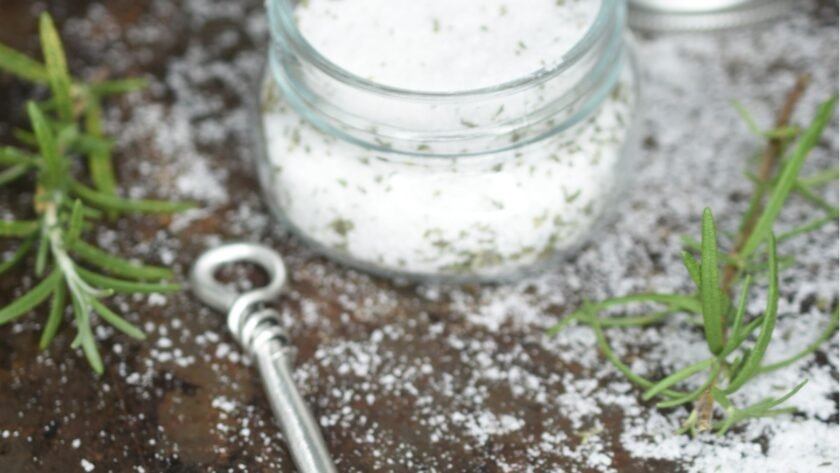

Homemade Rosemary Salt Recipe
Homemade rosemary salt is a simple kitchen staple that can instantly make everyday food taste more special. Made with fresh rosemary and salt, this flavorful seasoning captures the fragrant character of rosemary in a convenient form that’s easy to sprinkle over potatoes, meats, vegetables, breads, eggs, and countless other dishes.
If you have fresh rosemary growing in your garden or a few extra sprigs sitting in your refrigerator, this is a wonderful way to preserve them. The rosemary is dried until crisp, then crushed and combined with salt to create a fragrant herb seasoning that can be kept in your pantry and used whenever a dish needs an extra boost of flavor.
The process is remarkably simple. Fresh rosemary is dried using either a microwave or a low-temperature oven, then ground into a coarse mixture and combined with fine salt. The finished seasoning has a wonderful herbal aroma and a balanced savory flavor.
Why Make Rosemary Salt at Home?
Making your own herb seasoning gives you control over the ingredients and the final texture. Instead of relying on a packaged seasoning blend, you can prepare exactly as much as you need and adjust the rosemary-to-salt ratio to suit your taste.
Freshly prepared rosemary salt also makes a thoughtful homemade food gift. Place it in a small glass spice jar, add a simple label, and you have an inexpensive edible gift for friends, family, teachers, or anyone who enjoys cooking.
Another advantage is reducing food waste. Extra rosemary doesn’t have to go unused. Drying the herb concentrates its flavor and gives you a practical seasoning that can last for months when stored properly.
What Does Rosemary Salt Taste Like?
Rosemary has a distinctive flavor that is earthy, aromatic, slightly peppery, and pleasantly pine-like. When combined with salt, its bold herbal character becomes an excellent finishing seasoning.
You don’t need a large amount to make an impact. A small sprinkle can add wonderful flavor to roasted potatoes, grilled chicken, vegetables, homemade bread, and other savory dishes.
Because rosemary has such a strong personality, it works particularly well with hearty foods. Potatoes and rosemary are a classic combination, but the seasoning is equally delicious with chicken, lamb, steak, pork, fish, eggs, and roasted vegetables.
Ingredients
You only need two basic ingredients for this homemade seasoning.
Fresh Rosemary
Use approximately 4 fresh rosemary sprigs, about 6 inches (15 cm) each.
Choose rosemary that is vibrant green, fragrant, and free from wilted or damaged leaves.
Fine Table Salt
Use approximately ½ teaspoon fine table salt.
Fine salt blends particularly well with ground rosemary and distributes evenly over food.
You can also experiment with fine sea salt, kosher salt, or flaky salt depending on the texture you prefer.
Equipment
You don’t need complicated equipment to make rosemary salt.
You’ll need:
- Microwave-safe plate or baking tray
- Paper towels
- Mortar and pestle, spice grinder, or your hands
- Small airtight spice jar
- Measuring spoons
A kitchen scale can also be useful if you’re making a larger batch.
How to Make Homemade Rosemary Salt
Step 1: Prepare the Rosemary
Start by checking your rosemary sprigs and removing any yellow, brown, or damaged leaves.
If the rosemary needs washing, rinse it gently under cool water. Dry it extremely well using paper towels.
Removing as much surface moisture as possible is important because the herb needs to become completely dry before it is stored.
Separate the leaves from any thick or woody stems if desired, although the stems can simply be discarded after drying.
Step 2: Dry the Rosemary in the Microwave
The microwave provides a quick way to dry small amounts of rosemary.
Place a paper towel on a microwave-safe plate and arrange the rosemary in a single layer. Cover it with another paper towel.
Microwave on High in 30-second intervals.
After each interval, carefully check the rosemary. Continue heating until the leaves are completely dry and crumble easily between your fingers.
The exact time can vary depending on the amount of rosemary and the power of your microwave, so short intervals are preferable to one long heating cycle.
Avoid overheating the herb. Excessive heat can darken the rosemary and diminish its fresh aroma.
Once dry, allow the rosemary to cool completely.
Oven-Drying Method
If you don’t want to use a microwave, you can dry the rosemary gently in the oven.
Preheat the oven to 100°C (210°F).
Arrange the rosemary sprigs on a parchment-lined baking tray in a single layer.
Place the tray in the oven and dry the rosemary for approximately 20 minutes, checking regularly.
The rosemary should become crisp without turning brown.
If the leaves begin to darken significantly, remove them from the oven.
Allow the dried rosemary to cool completely before grinding.
Step 3: Grind the Rosemary
Once the rosemary has cooled, remove the leaves from the stems.
Transfer the dried leaves to a mortar and pestle and gently crush them.
You don’t need to turn the rosemary into an ultra-fine powder. A combination of fine pieces and small flakes creates an attractive texture and allows the herb to distribute nicely over food.
If you don’t have a mortar and pestle, simply crumble the dried leaves between your fingers.
For a larger batch, a spice grinder or food processor can be used, but pulse carefully to avoid turning the rosemary into an overly fine powder.
Step 4: Add the Salt
Measure the ground rosemary and combine it with ½ teaspoon of fine table salt.
Mix thoroughly until the salt and rosemary are evenly distributed.
The original small-batch recipe produces approximately 3 teaspoons of rosemary salt.
For a stronger herbal seasoning, you can increase the amount of rosemary. For a saltier finishing blend, slightly increase the salt.
Step 5: Store the Rosemary Salt
Transfer the finished seasoning into a clean, completely dry airtight jar.
A small glass spice jar works particularly well.
Store the rosemary salt in a cool, dry pantry away from:
- Steam
- Humidity
- Direct sunlight
- Excessive heat
Always use a dry spoon when removing the seasoning from the container.
Proper storage helps maintain the aroma and quality of the herb salt.
Best Ways to Use Rosemary Salt
One of the best things about homemade rosemary salt is its versatility.
Roasted Potatoes
Sprinkle rosemary salt over roasted potatoes just before serving. The combination of crispy potatoes and aromatic rosemary is especially delicious.
French Fries
Add a light sprinkle immediately after cooking while the fries are still hot. The seasoning will cling beautifully to the surface.
Chicken
Use it as a finishing seasoning for roasted or grilled chicken.
Steak
A small amount can add an earthy herbal note to grilled steak.
Lamb
Rosemary and lamb are a classic pairing. Sprinkle a little over grilled or roasted lamb before serving.
Pork
Add rosemary salt to pork chops, tenderloin, or roasted pork.
Vegetables
Try it with roasted:
- Carrots
- Broccoli
- Zucchini
- Cauliflower
- Asparagus
- Mushrooms
- Green beans
Bread
Sprinkle it over focaccia, garlic bread, biscuits, savory muffins, or homemade crackers.
Eggs
A tiny pinch adds flavor to scrambled eggs, omelets, or avocado toast.
Popcorn
For an easy savory snack, toss freshly popped popcorn with a little melted butter or olive oil and rosemary salt.
Tips for the Best Rosemary Salt
Use Fresh, Fragrant Rosemary
The stronger and fresher your rosemary smells before drying, the more aromatic the finished seasoning will be.
Dry the Herb Completely
Any remaining moisture can reduce storage life. The rosemary should feel crisp and crumble easily.
Don’t Overheat
High temperatures can cause rosemary to brown and lose some of its delicate aroma.
Keep the Texture Rustic
A mixture of powdered rosemary and small flakes provides both good distribution and attractive texture.
Make Small Batches
If you use rosemary salt occasionally, smaller batches help ensure that the seasoning remains fresh and aromatic.
Choosing Your Salt
Fine table salt is an excellent choice because its small crystals blend easily with ground rosemary and distribute evenly.
However, you can experiment with different varieties.
Fine Sea Salt
Provides a clean flavor and works well in everyday cooking.
Kosher Salt
Creates a slightly coarser texture and is useful for finishing savory dishes.
Flaky Sea Salt
Best used as a finishing salt when you want visible flakes and a more delicate texture.
The type of salt you choose will affect the final texture, so feel free to customize it according to how you plan to use the seasoning.
Storage and Shelf Life
Keep your rosemary salt in a tightly sealed container in a cool, dry location.
For the best quality, use it within several months. The seasoning may remain usable longer when stored properly, but its fresh herbal aroma will gradually become less intense over time.
Keep moisture away from the jar because humidity can cause the salt to clump.
Never use a wet spoon to scoop out the seasoning.
Homemade Rosemary Salt Variations
Once you’ve mastered the basic recipe, you can create different versions.
Garlic Rosemary Salt
Add a small amount of thoroughly dried garlic powder for a savory garlic-herb combination.
Lemon Rosemary Salt
Combine the rosemary with completely dried lemon zest for a bright citrus flavor.
Chili Rosemary Salt
Add dried chili flakes for a spicy finishing seasoning.
Rosemary Parmesan Seasoning
Combine rosemary salt with finely grated Parmesan immediately before serving rather than storing the mixture for long-term pantry storage.
Mediterranean Herb Salt
Mix dried rosemary with other fully dried herbs such as oregano, thyme, or basil.
Frequently Asked Questions
Can I use dried rosemary instead of fresh?
Yes. Dried rosemary can be used, although freshly dried rosemary prepared at home can provide a particularly vibrant aroma.
Why does my rosemary turn brown?
The rosemary may have been exposed to too much heat. Use shorter microwave intervals or a low oven temperature and check frequently.
Can I make a larger batch?
Absolutely. Simply scale the ingredients while maintaining your preferred rosemary-to-salt ratio.
Is rosemary salt gluten-free?
Pure rosemary and salt are naturally gluten-free ingredients. If adding other seasoning ingredients, check their labels if gluten avoidance is important to you.
Can I use rosemary salt during cooking?
Yes, but it is especially useful as a finishing seasoning. For the freshest herbal flavor, sprinkle it over cooked food just before serving.
What is the best way to keep it fresh?
Store it in a clean, dry, airtight container and protect it from moisture, steam, heat, and sunlight.
Recipe Card
Homemade Rosemary Salt
Prep Time: 5 minutes
Microwave Drying: 2–4 minutes
Oven Drying: About 20 minutes
Total Time: Approximately 10 minutes using the microwave method
Yield: About 3 teaspoons
Ingredients
- 4 fresh rosemary sprigs, approximately 6 inches each
- ½ teaspoon fine table salt
Instructions
- Rinse the rosemary if necessary and dry it thoroughly.
- Place the rosemary between paper towels on a microwave-safe plate.
- Microwave on High in 30-second intervals until completely dry and crisp.
- Cool the rosemary.
- Remove the leaves from the stems.
- Crush the leaves into a coarse powder or flakes.
- Mix the ground rosemary thoroughly with the salt.
- Transfer to a clean, dry airtight container.
- Store in a cool, dry pantry.
Oven Method
Dry the rosemary at 100°C (210°F) for approximately 20 minutes, checking regularly to make sure it does not brown.
Final Thoughts
Homemade rosemary salt is proof that a simple recipe can make a big difference in everyday cooking. With fresh rosemary and salt, you can create a fragrant seasoning that’s useful for everything from crispy potatoes and grilled meats to homemade breads, vegetables, eggs, and snacks.
The quick preparation makes it especially convenient when you have extra fresh rosemary available. Once the herb is dried and combined with salt, you’ll have a versatile seasoning ready to transform ordinary meals into something much more flavorful.
Keep a small jar in your spice cabinet, use it as a finishing touch on your favorite dishes, and enjoy the fresh herbal character that homemade rosemary salt brings to your kitchen.