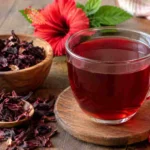
Clove tea is a simple, fragrant beverage made by simmering whole cloves in water. With its warm aroma, mildly sweet taste, and distinctive spicy flavor, this traditional drink is easy to prepare using ingredients you may already have in your kitchen.
Whether you want a comforting drink on a chilly morning or a soothing warm beverage after dinner, homemade clove tea is a simple option. You can enjoy it plain or customize it with fresh ginger, cinnamon, lemon, or a little honey.
This easy clove tea recipe requires only a few ingredients and takes about 15 minutes from start to finish. The key is to use whole cloves, simmer them gently, and adjust the strength to your preference.
Why You’ll Love This Clove Tea Recipe
- Simple ingredients: You only need whole cloves and water for the basic recipe.
- Easy preparation: No special equipment or complicated techniques are required.
- Warm, spicy flavor: Cloves give the tea a rich aroma and distinctive taste.
- Easy to customize: Add ginger, cinnamon, lemon, or honey for extra flavor.
- Naturally caffeine-free: Pure clove tea contains no caffeine when made without caffeinated tea leaves.
- Enjoy it warm: It makes a comforting alternative to coffee or regular tea.
Recipe Details
- Preparation Time: 2 minutes
- Cooking Time: 10 minutes
- Steeping Time: 3 minutes
- Total Time: Approximately 15 minutes
- Servings: 2 cups
- Course: Beverage
- Cuisine: International
- Difficulty: Easy
Ingredients for Homemade Clove Tea
- 4–6 whole cloves
- 2 cups water
- 1 teaspoon honey, optional
- 1 thin slice of fresh ginger, optional
- 1 small cinnamon stick, optional
- 1 lemon wedge, optional
Ingredient notes: Whole cloves provide a clean, aromatic flavor. Use culinary-grade cloves from a reputable source. Honey is optional, so you can leave it out if you prefer an unsweetened drink.
Equipment Needed
- Small saucepan
- Measuring cup
- Measuring spoon
- Fine-mesh strainer
- Two heat-safe cups
How to Make Clove Tea Step by Step
Step 1: Measure the Ingredients
Measure 2 cups of water and place 4–6 whole cloves nearby. If you want a more complex flavor, prepare a thin slice of fresh ginger or a small cinnamon stick.
For your first batch, keep the recipe simple so you can discover how strong you like the clove flavor.
Step 2: Bring the Water to a Boil
Pour the water into a small saucepan and place it over medium-high heat.
Bring it to a boil. Once the water begins bubbling, reduce the heat slightly before adding the cloves.
Step 3: Add the Whole Cloves
Add the cloves to the hot water. If you are using ginger or cinnamon, add those ingredients at the same time.
Stir gently to distribute the ingredients throughout the water.
Step 4: Simmer Gently
Reduce the heat to low and let the mixture simmer for approximately 5–10 minutes.
A shorter simmer produces a milder flavor, while a longer simmer creates a stronger, more pronounced clove taste. Avoid using excessive amounts of cloves or boiling the mixture for an unnecessarily long time.
Step 5: Allow the Tea to Steep
Turn off the heat and let the tea rest for another 2–3 minutes. This allows the flavor to develop before straining.
If the aroma or taste is already strong enough, you can strain it immediately.
Step 6: Strain the Tea
Carefully pour the tea through a fine-mesh strainer into two heat-safe cups. Discard the cloves and any other whole spices.
Be careful when handling the hot liquid, and allow it to cool to a comfortable drinking temperature.
Step 7: Add Optional Flavorings
If desired, add a little honey and stir until dissolved. You can also add a squeeze of lemon for brightness.
Taste before adding more sweetener. Cloves have a naturally warm, slightly sweet aroma, so many people enjoy this tea without additional sugar.
Step 8: Serve and Enjoy
Serve the clove tea warm. It pairs nicely with breakfast, an afternoon snack, or a quiet evening at home.
For the best flavor, prepare it fresh and adjust the number of cloves and simmering time to suit your taste.
Tips for the Best Clove Tea
Start with fewer cloves. Cloves have a powerful flavor. If you are new to the drink, begin with four whole cloves for two cups of water.
Use whole cloves. Whole spices are easy to strain out and make it easier to control the strength of your tea.
Avoid excessive simmering. A longer cooking time does not necessarily make the tea better. Taste and adjust rather than automatically increasing the amount of cloves.
Add honey after cooking. Stirring honey into the finished tea makes it easy to adjust sweetness without adding more than you need.
Experiment with spices gradually. Ginger and cinnamon complement cloves, but adding too many strong ingredients can overwhelm the flavor.
Serve at a comfortable temperature. Let the tea cool slightly before drinking to avoid burning your mouth.
Delicious Clove Tea Variations
1. Clove and Ginger Tea
Add one thin slice of fresh ginger to the water with the cloves. Simmer as directed and strain before serving.
Ginger contributes a fresh, slightly spicy flavor that works well with the warm aroma of cloves.
2. Clove and Cinnamon Tea
Add one small cinnamon stick during simmering. The cinnamon gives the tea a sweeter, woody aroma without requiring additional sugar.
Remove the cinnamon stick before serving.
3. Clove Lemon Tea
Prepare the basic recipe and squeeze a little fresh lemon juice into the strained tea. Lemon adds a bright, tangy note that balances the spice.
Add lemon after simmering rather than boiling it with the cloves.
4. Clove Tea With Honey
For a sweeter cup, stir in a small amount of honey after straining. Adjust the amount according to your preference.
Remember that honey is an added sugar, so use a smaller quantity if you are monitoring your sugar intake.
5. Iced Clove Tea
Prepare the tea using the basic recipe, then strain it and allow it to cool. Refrigerate until chilled and pour over ice.
You can add a lemon slice for a refreshing finish. Keep the spice flavor moderate, as a very concentrated brew may taste overpowering when cold.
Potential Benefits of Clove Tea
Cloves are an aromatic spice containing naturally occurring compounds, including eugenol. These compounds have been studied for various biological properties, but findings from laboratory research do not automatically mean that drinking clove tea produces the same effects in people.
Here are a few important points to understand.
Contains Naturally Occurring Plant Compounds
Cloves contain eugenol and other plant compounds. Clove tea provides some of the flavor and compounds extracted from the spice, although the amount varies with the recipe and preparation method.
It should not be assumed that a cup of tea delivers a specific therapeutic dose.
Offers a Caffeine-Free Beverage Option
When made with only cloves, water, and optional caffeine-free flavorings, clove tea is naturally caffeine-free. It can be an alternative for people who want to reduce caffeine consumption.
Can Be Part of a Balanced Routine
Enjoying a warm beverage can be a pleasant part of a daily routine. Clove tea can add variety to your drink choices, particularly if you prefer unsweetened beverages.
However, clove tea has not been established as a treatment for diabetes, high blood pressure, infections, digestive disorders, or other diseases. It should not be promoted as a detox drink or as a way to cleanse organs.
Clove Tea Safety and Precautions
Although cloves are commonly used in cooking, concentrated clove products and medicinal quantities may pose risks. Drinking a strongly concentrated preparation every day is not necessarily safer or more beneficial than enjoying an occasional mild cup.
- Pregnancy and breastfeeding: Safety information for medicinal amounts of cloves is limited. Consult a qualified healthcare professional before using clove tea regularly for health purposes.
- Blood-thinning medication: Eugenol may affect blood clotting. Ask your healthcare professional before regularly consuming medicinal amounts if you take anticoagulants or antiplatelet medication or have a bleeding disorder.
- Diabetes medication: Clove products may affect blood glucose, but evidence for clove tea is limited. Speak with your clinician if you take glucose-lowering medication.
- Sensitive stomach: Strongly spiced drinks may irritate some people’s stomachs. Stop drinking the tea if it causes discomfort.
- Children: Do not use concentrated clove preparations or clove essential oil as a home remedy for children without professional guidance.
Never swallow clove essential oil as a substitute for tea. Concentrated clove oil can be toxic, particularly in large amounts.
If you have a chronic medical condition, take regular medication, or want to use clove tea to treat a symptom, seek individualized advice from a healthcare professional.
How to Store Clove Tea
Storing Leftover Tea
Freshly prepared clove tea is best enjoyed warm, but leftovers can be stored if handled properly.
- Strain out the cloves and other spices.
- Allow the tea to cool briefly.
- Transfer it to a clean, covered container.
- Refrigerate it promptly, within two hours of preparation.
- For best quality, use it within 3–4 days and discard it if it develops an unusual smell, appearance, or taste.
Reheat only the amount you plan to drink.
Storing Whole Cloves
Store unused whole cloves in an airtight container in a cool, dry place away from sunlight and moisture. Proper storage helps preserve their aroma and flavor.
What to Serve With Clove Tea
Clove tea pairs well with a variety of snacks and breakfast foods, including:
- Whole-grain toast
- Plain biscuits or shortbread
- Oatmeal or porridge
- Fresh apple or pear slices
- Homemade muffins
- Light breakfast sandwiches
- A small slice of cinnamon cake
If you prefer a savory snack, try serving the tea with toast or a lightly seasoned sandwich.
Frequently Asked Questions
Can I drink clove tea every day?
There is not enough evidence to establish a universally safe or beneficial daily amount for clove tea used medicinally. An occasional mild cup is different from a highly concentrated preparation. Ask a healthcare professional for advice if you plan to drink it regularly for health reasons.
How many cloves should I use for one cup of tea?
For this recipe, use approximately 2–3 whole cloves per cup of water. Adjust the amount to your taste rather than making the tea excessively strong.
Can I make clove tea without honey?
Yes. Honey is entirely optional. You can enjoy the natural spicy flavor of cloves without adding any sweetener.
Is clove tea naturally caffeine-free?
Yes, when made with cloves and water alone. If you mix it with black tea, green tea, or another caffeinated ingredient, the finished drink may contain caffeine.
Can clove tea help with digestion?
Cloves have a history of traditional use, but reliable clinical evidence that clove tea treats digestive problems is limited. If you experience persistent pain, reflux, vomiting, or other ongoing symptoms, seek medical advice rather than relying on tea.
Can I add turmeric to clove tea?
You can experiment with a small culinary amount of turmeric, although it will change the flavor. If you take medication or have a medical condition, consult your healthcare professional before using concentrated spice mixtures for health purposes.
Is clove tea a detox drink?
No. There is no good evidence that clove tea removes toxins from the body or cleanses the liver or kidneys. Your body relies on organs such as the liver and kidneys to process and remove waste.
Final Thoughts
This easy Clove Tea Recipe is a warm, aromatic beverage that you can prepare with just whole cloves and water. Its bold spice flavor makes it enjoyable on its own, while ginger, cinnamon, lemon, and honey offer simple ways to personalize each cup.
For the best results, start with a modest amount of cloves, simmer gently, strain before serving, and adjust the flavor to your liking. Enjoy it as a beverage rather than a medical treatment, and seek professional advice before using concentrated or regular medicinal preparations.
Printable Recipe Card
Clove Tea Recipe
Preparation Time: 2 minutes
Cooking Time: 10 minutes
Steeping Time: 3 minutes
Total Time: Approximately 15 minutes
Servings: 2 cups
Ingredients
- 4–6 whole cloves
- 2 cups water
- 1 teaspoon honey, optional
- 1 thin slice fresh ginger, optional
- 1 small cinnamon stick, optional
- 1 lemon wedge, optional
Instructions
- Bring 2 cups of water to a boil in a small saucepan.
- Add the whole cloves and optional ginger or cinnamon.
- Reduce the heat and simmer gently for 5–10 minutes.
- Turn off the heat and allow the tea to steep for another 2–3 minutes.
- Strain the tea into two cups.
- Add honey or lemon if desired.
- Let the tea cool to a comfortable temperature and serve warm.
Recipe Notes
- Start with four cloves for a milder flavor.
- Avoid using excessive amounts of cloves.
- Refrigerate strained leftovers promptly in a covered container.
- Consult a healthcare professional before using clove tea regularly for medicinal purposes, particularly if you take medication or are pregnant or breastfeeding.