Olivia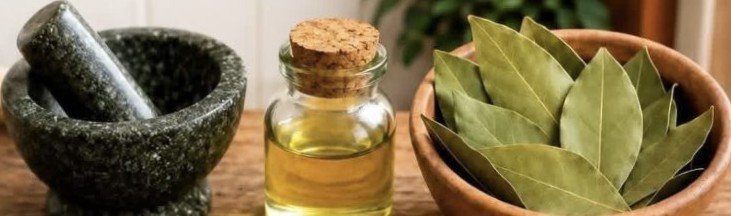
Bay Leaves for Wrinkles: Can They Really Replace Botox? A DIY Bay Leaf Skin Recipe
Bay leaves are a familiar ingredient in kitchens around the world, but they have also become popular in homemade skincare. Online beauty trends sometimes claim that bay leaves can smooth wrinkles, tighten sagging skin, or even replace Botox.
But can a simple kitchen herb really deliver Botox-like results?
The short answer is no. Bay leaves cannot replace Botox or other professional wrinkle treatments. There is no good clinical evidence that applying bay leaf preparations to the skin can relax facial muscles in the way botulinum toxin does.
That doesn’t mean bay leaves have no place in a skincare routine. They contain aromatic plant compounds and antioxidants, and a properly prepared, mild infusion can be an interesting DIY skincare experiment for people who tolerate botanical ingredients. However, homemade bay leaf water should be viewed as a simple cosmetic preparation, not a proven anti-aging treatment.
Below is a gentle bay leaf facial recipe, how to use it, potential benefits, safety precautions, and what you can realistically expect.
Can Bay Leaves Really Replace Botox?
No.
Botox works by temporarily reducing activity in specific facial muscles. This can soften dynamic wrinkles, particularly lines that appear with facial expressions.
Bay leaves work very differently.
A homemade bay leaf infusion does not contain botulinum toxin and has not been shown to produce the same muscle-relaxing effect.
Claims that bay leaves can “erase wrinkles in minutes” or provide results equivalent to Botox are therefore misleading.
However, skincare containing botanical ingredients can sometimes make the skin feel refreshed, hydrated, or temporarily smoother. Those cosmetic effects should not be confused with actual wrinkle reduction.
Why Are Bay Leaves Used in DIY Skincare?
Bay leaves contain naturally occurring plant compounds, including aromatic oils and antioxidant compounds.
Antioxidants can help protect skin cells from oxidative stress, while some plant compounds may have soothing or antimicrobial properties in laboratory settings.
But there’s an important distinction:
Evidence that a plant contains potentially useful compounds does not prove that a homemade facial preparation will reduce wrinkles.
The concentration, preparation method, absorption through the skin, and safety of the final product all matter.
So while bay leaf skincare is an interesting home remedy, it shouldn’t be presented as a clinically proven anti-aging treatment.
Simple Bay Leaf Facial Water Recipe
This is a mild preparation designed primarily as a refreshing facial rinse or botanical water.
Ingredients
- 4–5 dried bay leaves
- 2 cups filtered or distilled water
Optional
- 1 teaspoon pure aloe vera gel, added only immediately before use
Avoid adding lemon juice, vinegar, essential oils, or other highly concentrated ingredients to this facial preparation.
Step 1: Wash the Bay Leaves
Place the dried bay leaves under clean running water and gently rinse them.
This removes surface dust and particles.
Pat them dry with a clean towel.
Step 2: Boil the Water
Place 2 cups of filtered or distilled water in a small saucepan.
Bring it to a gentle boil.
Using clean water is preferable because the finished preparation will be applied directly to your face.
Step 3: Add the Bay Leaves
Add 4–5 dried bay leaves to the hot water.
Reduce the heat and allow the mixture to simmer gently for approximately 5 minutes.
There’s no need to boil the leaves aggressively.
Step 4: Let It Steep
Turn off the heat.
Cover the saucepan and allow the bay leaves to steep for another 15–20 minutes.
The water should develop a light herbal aroma.
Step 5: Strain
Remove the bay leaves.
Pour the liquid through a clean fine-mesh strainer into a clean glass container.
Allow it to cool completely before applying it to your skin.
Step 6: Optional Aloe Vera
If you already know that your skin tolerates pure aloe vera, you can add a small amount immediately before applying the mixture.
However, don’t add aloe vera to a large batch that you intend to store for several days.
Adding fresh ingredients without a preservative system can increase the risk of microbial growth.
How to Use Bay Leaf Facial Water
Before applying the preparation to your entire face, perform a patch test.
Apply a small amount to an inconspicuous area, such as the inner forearm.
Wait and monitor the area for irritation.
If you experience:
- Burning
- Itching
- Redness
- Swelling
- Rash
wash the area and don’t use the preparation.
If your skin tolerates the patch test, you can gently apply a small amount to clean skin using clean fingertips or a fresh cotton pad.
Avoid the eyes and lips.
Leave it on briefly or rinse with clean water if your skin feels irritated or dry.
Follow with your normal moisturizer.
What Benefits Can You Realistically Expect?
A bay leaf facial preparation may leave your skin feeling:
- Refreshed
- Clean
- Lightly hydrated
- Softer
- Temporarily smoother
However, these effects are different from actually removing wrinkles.
If your skin is dry, improving hydration can temporarily make fine lines look less noticeable because hydrated skin reflects light differently.
That doesn’t mean the underlying wrinkles have disappeared.
Bay Leaves and Antioxidants
Bay leaves contain naturally occurring antioxidant compounds.
Antioxidants are interesting in skincare because oxidative stress is one of the factors involved in skin aging.
However, simply placing a plant infusion on your skin doesn’t guarantee that enough active compounds will reach the appropriate layers of skin to produce a meaningful anti-aging effect.
This is why properly formulated skincare products have advantages over many homemade remedies: their ingredients can be standardized, stabilized, tested, and formulated for predictable delivery.
What Actually Causes Wrinkles?
Wrinkles are a normal part of aging.
Several factors contribute to them.
Natural Aging
As we age, skin gradually produces less collagen and elastin.
The skin becomes thinner and loses some of its firmness and elasticity.
Sun Exposure
Ultraviolet radiation is one of the most important environmental contributors to premature skin aging.
Repeated UV exposure can damage collagen and contribute to wrinkles, pigmentation, and loss of elasticity.
Facial Expressions
Repeated muscle movement contributes to dynamic wrinkles.
These include:
- Forehead lines
- Frown lines
- Crow’s feet
Smoking
Smoking can accelerate skin aging and contribute to wrinkles.
Genetics
Genetics also influence how quickly visible signs of aging develop.
Better-Proven Ways to Reduce the Appearance of Wrinkles
If your goal is genuinely to reduce visible wrinkles, several approaches have substantially more evidence than bay leaf water.
1. Daily Sunscreen
Sun protection is one of the most important anti-aging habits.
Use a broad-spectrum sunscreen with an appropriate SPF and reapply as recommended, particularly when spending extended time outdoors.
Protective clothing, hats, and shade can provide additional protection.
2. Moisturizer
A good moisturizer can improve skin hydration and temporarily soften the appearance of fine lines.
Look for ingredients such as:
- Glycerin
- Ceramides
- Hyaluronic acid
- Squalane
Choose products appropriate for your skin type.
3. Retinoids
Retinoids are among the better-studied topical ingredients for photoaging.
They can support skin renewal and may improve the appearance of fine lines over time.
Because retinoids can cause irritation and aren’t appropriate for everyone, consider discussing them with a dermatologist.
4. Vitamin C
Topical vitamin C is another popular skincare ingredient.
A well-formulated vitamin C product may provide antioxidant benefits and help improve uneven skin tone.
Stability and formulation matter considerably.
5. Professional Treatments
Depending on the type of wrinkles you’re concerned about, dermatologists may offer treatments such as:
- Botulinum toxin injections
- Chemical peels
- Laser treatments
- Microneedling
- Fillers
- Prescription topical treatments
The appropriate option depends on your skin, medical history, and desired outcome.
Bay Leaf Water vs. Botox
It’s useful to understand the difference.
| Bay Leaf Facial Water | Botox |
|---|---|
| Homemade botanical preparation | Medical cosmetic treatment |
| Does not relax facial muscles | Temporarily reduces targeted muscle activity |
| Limited clinical evidence for wrinkles | Established use for certain facial wrinkles |
| May feel refreshing | Produces measurable muscle-relaxing effects |
| Results, if any, are cosmetic and subtle | Effects are generally more pronounced |
| Inexpensive | Requires a qualified medical professional |
The two should not be considered equivalent.
Can Bay Leaf Water Tighten Skin?
There is no strong clinical evidence that homemade bay leaf water physically tightens loose skin.
Some DIY skincare recipes claim that herbal water can create an immediate tightening effect.
Often, what people perceive as “tightening” may simply be temporary dryness or a film left on the surface of the skin.
Dryness isn’t the same as improved elasticity.
For genuinely loose or sagging skin, professional dermatological treatments are much more appropriate than homemade herbal water.
Can Bay Leaves Remove Deep Wrinkles?
No reliable evidence shows that bay leaves can remove established wrinkles.
Deep wrinkles generally involve changes in collagen, elastin, skin thickness, and facial muscle movement.
A topical herbal rinse cannot be expected to reverse all of these processes.
If deep wrinkles are your primary concern, speak with a dermatologist about evidence-based options.
Important Safety Precautions
Natural doesn’t automatically mean safe.
Bay leaves contain aromatic compounds that can irritate sensitive skin.
Avoid applying concentrated bay leaf essential oil directly to your face.
Essential oils are highly concentrated and can cause irritation or allergic reactions when improperly diluted.
Also avoid applying homemade preparations:
- Inside the eyes
- On broken skin
- On fresh wounds
- On severely irritated skin
- Immediately after aggressive exfoliation
If you have eczema, rosacea, very sensitive skin, or a known botanical allergy, consult a healthcare professional before trying a new homemade skincare treatment.
Don’t Add Lemon Juice to Your Face Mask
Many online DIY recipes combine bay leaves with lemon juice.
This isn’t necessary.
Lemon juice can irritate the skin, particularly when used undiluted or in combination with sun exposure.
Instead of adding lemon juice, keep the recipe simple.
If you want an anti-aging routine, use products specifically formulated and tested for facial skin.
How Long Does Homemade Bay Leaf Water Last?
Because this preparation contains water and has no proper cosmetic preservative system, it can become contaminated.
For safety, prepare a small amount and use it fresh.
If you refrigerate it, keep it in a clean, tightly closed container and discard it promptly if it develops:
- An unusual smell
- Cloudiness
- Mold
- A change in appearance
Don’t keep homemade botanical water for long periods simply because it has been refrigerated.
A Better DIY Approach: Use It as an Occasional Refreshing Rinse
If you enjoy experimenting with natural skincare, the safest mindset is to treat bay leaf water as an occasional cosmetic rinse rather than an anti-wrinkle treatment.
Use a mild preparation.
Patch test first.
Stop immediately if irritation develops.
And continue using proven skincare basics such as sunscreen and moisturizer.
Frequently Asked Questions
Can bay leaves replace Botox?
No. Bay leaves cannot reproduce the muscle-relaxing action of botulinum toxin and should not be considered a Botox replacement.
Can bay leaf water remove wrinkles?
There is insufficient clinical evidence to show that bay leaf water removes wrinkles.
It may temporarily make skin feel refreshed or smoother, but that isn’t the same as reducing wrinkles.
Can I use bay leaf water every day?
There’s no established evidence supporting daily use. Frequent exposure to botanical ingredients may also increase the chance of irritation.
Can I leave bay leaf water on overnight?
It’s better to start with short contact and monitor your skin rather than leaving a homemade preparation on overnight.
Can I use fresh bay leaves?
Dried culinary bay leaves are convenient for this recipe, but fresh leaves can have different concentrations of plant compounds. There is no established evidence that fresh leaves are more effective for wrinkles.
Can I add olive oil?
You can, but it isn’t necessary. Olive oil may feel moisturizing, although it can be too heavy for some skin types and may not be suitable for acne-prone skin.
Is bay leaf essential oil better?
Not necessarily. Essential oil is much more concentrated and can cause irritation if used incorrectly. Don’t apply undiluted essential oil to your face.
Simple Bay Leaf Facial Recipe Card
Bay Leaf Facial Water
Prep time: 5 minutes
Steeping time: 20 minutes
Total time: About 25 minutes
Yield: Approximately 2 cups
Ingredients
- 4–5 dried bay leaves
- 2 cups filtered or distilled water
Instructions
- Rinse the bay leaves.
- Bring the water to a gentle boil.
- Add the bay leaves.
- Simmer for 5 minutes.
- Turn off the heat and cover.
- Steep for 15–20 minutes.
- Strain thoroughly.
- Cool completely.
- Patch test before facial use.
- Apply gently to clean skin and follow with moisturizer.
Final Thoughts
Bay leaves can be an interesting ingredient for a simple homemade facial water, but they cannot replace Botox.
There is currently no strong clinical evidence showing that bay leaf preparations erase wrinkles, tighten loose skin, or produce effects comparable to botulinum toxin.
If you enjoy natural skincare, a mild bay leaf infusion can be used as an occasional refreshing botanical rinse, provided your skin tolerates it. Keep the recipe simple, avoid concentrated essential oils, don’t add irritating ingredients such as lemon juice, and always patch test first.
For long-term wrinkle prevention and management, focus on the strategies with stronger evidence: daily sun protection, moisturizing, appropriate topical skincare ingredients, healthy lifestyle habits, and professional dermatological treatments when desired.
Most importantly, remember that wrinkles are a normal part of aging. A homemade herbal recipe can be enjoyable as part of self-care, but it doesn’t need to make unrealistic promises to be worthwhile.