
Your kidneys work around the clock to filter waste products from your blood, balance fluids, and help regulate important minerals. Because they perform so many essential functions, taking care of kidney health is an important part of maintaining overall wellness.
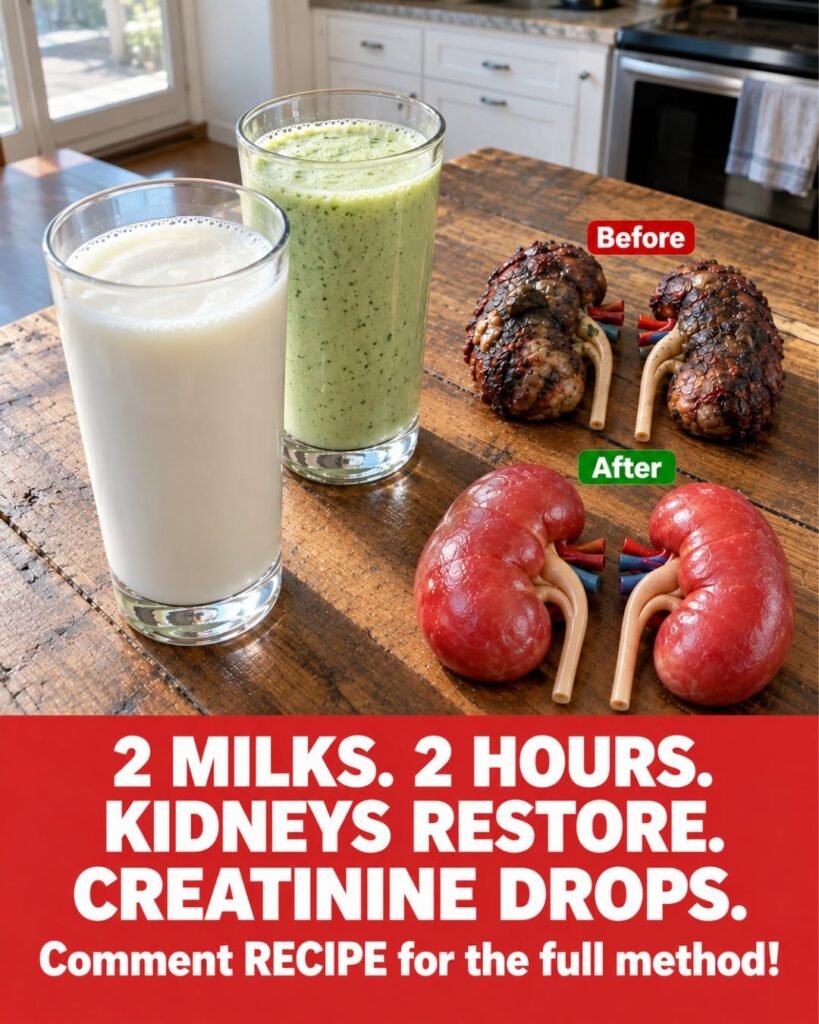
You may have seen headlines claiming that two special milks can flush kidney toxins, restore damaged kidneys, or lower creatinine in exactly two hours. These claims are not supported by reliable medical evidence. No milk or homemade drink can guarantee kidney repair or a rapid reduction in creatinine.
However, choosing appropriate beverages can help support hydration and fit into a kidney-conscious eating routine. Two simple options are homemade unsweetened oat milk and a carefully portioned almond milk drink.
These recipes are easy to prepare, require only a few ingredients, and can be adjusted to suit individual dietary needs.
An important reminder: People with chronic kidney disease may need to limit certain nutrients, including potassium, phosphorus, sodium, or fluids. The best beverage depends on kidney function and individual laboratory results.
Why You’ll Love These Two Homemade Drinks
- Made with simple, everyday ingredients.
- No added refined sugar.
- Easy to prepare at home.
- Can be served chilled or warm.
- Useful alternatives to heavily sweetened commercial beverages.
- Flexible recipes with adjustable portions.
ENTIENDE LAS FECHAS DE CONSUMO PREFERENTE | TOO GOOD TO GO
Hafermilch Rezept: So einfach können Sie den Haferdrink selbst machen! | AD Magazin
Mandelmilch: Der leckere Milchersatz | BRIGITTE.de
6
Drink 1: Homemade Unsweetened Oat Milk
Oat milk is a popular plant-based beverage made by blending oats with water and straining the mixture. It has a naturally mild flavor and creamy texture.
Homemade oat milk allows you to control the ingredients, avoid unnecessary sweeteners, and adjust the consistency.
Oats contain carbohydrates, fiber, and small amounts of minerals. However, homemade oat milk is not a kidney detox treatment, and its phosphorus content can vary depending on preparation.
Ingredients
| Ingredient | Amount |
|---|---|
| Rolled oats | ½ cup |
| Cold drinking water | 3 cups |
| Vanilla extract | ¼ teaspoon (optional) |
| Cinnamon | A small pinch (optional) |
No sugar or honey is necessary.
Instructions
La receta de ñoquis de avena y calabaza con una salsa fresca que te va a encantar | TN
Oat Milk Nutrition: Make Your Own Oat Milk | HGTV
Oat Milk Nutrition: Make Your Own Oat Milk | HGTV
8
Step 1: Prepare the oats
Measure half a cup of rolled oats. Check for any unwanted particles and place the oats in a bowl.
Step 2: Blend with water
Add the oats and three cups of cold drinking water to a blender. Blend for approximately 20–30 seconds.
Avoid blending for too long because this can make the drink slimy.
Step 3: Strain the mixture
Pour the blended mixture through a fine-mesh strainer or clean nut-milk bag. Allow the liquid to drain naturally.
Avoid squeezing too hard if you prefer a smoother texture.
Step 4: Add optional flavor
Add a tiny pinch of cinnamon or a little vanilla extract. Stir gently.
Step 5: Serve
Pour into a glass and serve chilled. You can also gently warm it if you prefer a warm beverage.
Why Choose Homemade Oat Milk?
Oat milk offers a mild taste and can be useful for people who want a dairy-free alternative.
Some benefits of choosing homemade oat milk include:
- You control the amount of sugar.
- You can avoid unnecessary additives.
- You can adjust the thickness.
- It provides an alternative to dairy milk.
Kidney health consideration: Oats contain phosphorus and potassium. Homemade oat milk is not automatically low in these minerals. People with advanced kidney disease should ask their renal dietitian whether it is appropriate for their diet.
Drink 2: Homemade Unsweetened Almond Milk
almond milk in glass on wood table background.
Almond milk is another popular plant-based beverage. It has a delicate nutty flavor and can be enjoyed with breakfast, in smoothies, or alongside light meals.
Making almond milk at home is straightforward. You only need almonds, drinking water, and a blender.
Unlike sweetened commercial varieties, homemade almond milk gives you control over the ingredients.
Ingredients
| Ingredient | Amount |
|---|---|
| Raw unsalted almonds | ½ cup |
| Drinking water for blending | 3 cups |
| Vanilla extract | ¼ teaspoon (optional) |
| Cinnamon | A small pinch (optional) |
Instructions
Closeup of almonds soaked in water
Blender with soaked almonds for making nut milk.
How To Make Almond Milk: Easy Homemade Recipe + Pro Tips – The Goodness Well
6
Step 1: Soak the almonds
Place half a cup of raw, unsalted almonds in a bowl. Cover with clean water and soak for 8–12 hours in the refrigerator.
Soaking softens the almonds and makes blending easier.
Step 2: Drain and rinse
After soaking, drain the water and rinse the almonds thoroughly with fresh drinking water.
Step 3: Blend
Place the soaked almonds in a blender. Add three cups of fresh drinking water.
Blend for approximately 1–2 minutes until the mixture becomes creamy and smooth.
Step 4: Strain
Pour the mixture through a fine-mesh strainer or nut-milk bag.
Collect the liquid in a clean container. The remaining almond pulp can be used in suitable baking recipes.
Step 5: Add flavor
Add a little vanilla extract or cinnamon if desired.
Avoid adding sugar, honey, or sweetened syrups if you are trying to keep the drink low in added sugar.
Step 6: Refrigerate and serve
Transfer the almond milk into a clean, covered glass bottle. Refrigerate promptly and use within 2–3 days.
Shake before serving because natural separation is normal.
Why Choose Homemade Almond Milk?
Almond milk is naturally dairy-free and usually contains less carbohydrate than oat milk when prepared without sweeteners.
It can be a useful alternative for people who do not enjoy dairy milk.
However, almonds contain phosphorus and potassium. Straining homemade almond milk does not guarantee that these minerals are removed. Commercial almond milk may also contain phosphate additives, added calcium, salt, or other ingredients.
For people with kidney disease, the ingredient label and serving size matter.
Understanding Creatinine and Kidney Health
Creatinine is a waste product produced by normal muscle metabolism. Healthy kidneys remove creatinine from the bloodstream through urine.
A blood creatinine test helps healthcare professionals assess kidney function. However, creatinine alone does not tell the complete story.
Doctors also consider:
- Estimated glomerular filtration rate (eGFR).
- Urine albumin-to-creatinine ratio (uACR).
- Blood pressure.
- Electrolyte levels.
- Medical history and medications.
- Changes in laboratory results over time.
A high creatinine result does not always mean permanent kidney damage. Dehydration, certain medications, intense exercise, muscle injury, and other conditions can influence creatinine levels.
Likewise, a drink that increases urination does not necessarily improve kidney filtration.
Can These Two Milks Lower Creatinine?
There is no good clinical evidence that homemade oat milk or almond milk can reliably lower creatinine within two hours.
These beverages should be considered food choices rather than treatments.
If creatinine is elevated, the important step is finding the underlying cause. Depending on the situation, a healthcare professional may recommend additional testing, medication adjustments, hydration changes, or treatment for an underlying condition.
Never stop prescribed kidney medication or attempt to force a rapid creatinine reduction using homemade drinks.
Which Milk Is Better for Kidney-Conscious Eating?
Both beverages have different nutritional characteristics. Neither is universally best for everyone with kidney disease.
| Feature | Homemade oat milk | Homemade almond milk |
|---|---|---|
| Main ingredient | Rolled oats | Almonds |
| Flavor | Mild and creamy | Light and nutty |
| Dairy-free | Yes | Yes |
| Added sugar | None | None |
| Potassium | Varies | Varies |
| Phosphorus | Varies | Varies |
| Best use | Breakfast and beverages | Smoothies and beverages |
According to the National Kidney Foundation, plant-based milks vary in their potassium and phosphorus content. The right choice depends on kidney function, laboratory results, and individual dietary requirements. National Kidney Foundation+1
Important Daily Habits That Support Kidney Health
Homemade beverages are only one small part of a kidney-conscious lifestyle.
Here are some useful everyday habits:
1. Watch your salt intake
Excess sodium can contribute to high blood pressure and fluid retention. Preparing more meals at home and reducing heavily processed foods can help.
2. Manage blood sugar
Diabetes is an important risk factor for kidney disease. Follow your prescribed diabetes treatment and monitor your glucose levels.
3. Monitor blood pressure
High blood pressure can damage the small blood vessels inside the kidneys. Follow your healthcare professional’s recommendations.
4. Avoid unnecessary supplements
Some herbal products and concentrated supplements can interact with medications or cause kidney problems. Ask your healthcare professional before taking them.
5. Stay appropriately hydrated
Drink the amount of fluid recommended for your health needs. More water is not always better, especially for people with advanced kidney disease or those receiving dialysis. National Kidney Foundation+1
6. Attend regular kidney checkups
Creatinine, eGFR, urine albumin, and electrolyte tests help doctors understand how your kidneys are functioning.
How to Store Both Homemade Milks
For the best quality and food safety:
- Store each drink in a clean, airtight container.
- Refrigerate immediately after preparation.
- Keep the refrigerator at 4°C (40°F) or below.
- Use homemade oat and almond milk within 2–3 days.
- Shake well before pouring.
- Discard any drink that develops an unusual smell, taste, or appearance.
Because homemade milk does not contain the same preservatives as some commercial products, it should be handled carefully.
Frequently Asked Questions
1. Can these two milks repair damaged kidneys?
No. Neither oat milk nor almond milk has been proven to repair damaged kidneys or reverse chronic kidney disease. They are simply alternative beverages.
2. Can these drinks lower creatinine in two hours?
There is no reliable scientific evidence that either drink lowers creatinine within two hours. Creatinine changes depend on factors such as kidney function, hydration, muscle metabolism, and underlying medical conditions.
3. Can people with high creatinine drink almond milk?
Some people with kidney disease can include almond milk in their diet. However, its suitability depends on potassium, phosphorus, sodium, oxalate intake, and individual dietary requirements.
4. Is oat milk safe for kidney patients?
It may be suitable for some people, but oats naturally contain phosphorus and potassium. Serving size and nutritional composition matter.
5. Which is better, oat milk or almond milk?
There is no universal answer. Unsweetened almond milk may contain less potassium and phosphorus than some oat milk products, but homemade versions vary. Compare nutrition information and consult a renal dietitian.
6. Should kidney patients drink more water?
Not necessarily. Some people need more fluid if dehydrated, while others must restrict fluids because of reduced urine output or fluid retention. Follow individualized medical advice.
7. Can these drinks replace prescribed kidney medication?
Absolutely not. Continue prescribed medication and medical monitoring. Do not replace treatment with homemade recipes.
8. Can people receiving dialysis drink these milks?
Some dialysis patients can consume plant-based milks, but their potassium, phosphorus, protein, and fluid intake may need careful management. Their renal dietitian should recommend suitable portions.
When Should You Seek Medical Attention?
Do not rely on homemade drinks if you experience signs of worsening kidney function.
Seek prompt medical assessment for:
- Noticeably reduced urine output.
- New or worsening swelling in the legs, ankles, or face.
- Persistent nausea or vomiting.
- Unusual weakness or severe fatigue.
- Blood in the urine.
- Shortness of breath.
Severe breathlessness, chest pain, confusion, or fainting requires emergency medical attention.
Final Thoughts
Taking care of your kidneys starts with understanding your body’s needs rather than searching for a miracle drink.
These two homemade recipes offer simple dairy-free beverage options:
- Unsweetened homemade oat milk.
- Unsweetened homemade almond milk.
Both can be incorporated into some kidney-conscious eating plans, depending on individual nutritional needs.
Remember that no two-hour remedy can promise to restore kidney function or eliminate creatinine. The most effective approach is appropriate medical treatment, blood pressure and blood sugar management, individualized nutrition, and regular kidney monitoring.
Enjoy these recipes as beverages, not as kidney treatments.
Printable Recipe Card
2 Homemade Plant-Based Milk Recipes
Oat Milk vs Almond Milk: Complete Nutrition Comparison
Recipe 1: Homemade Oat Milk
Ingredients:
- ½ cup rolled oats
- 3 cups cold water
- ¼ teaspoon vanilla (optional)
- Pinch of cinnamon (optional)
Instructions:
- Add oats and water to a blender.
- Blend for 20–30 seconds.
- Strain through a fine-mesh strainer.
- Add optional vanilla or cinnamon.
- Refrigerate and serve chilled.
Recipe 2: Homemade Almond Milk
Ingredients:
- ½ cup raw unsalted almonds
- 3 cups fresh drinking water
- ¼ teaspoon vanilla (optional)
- Pinch of cinnamon (optional)
Instructions:
- Soak almonds for 8–12 hours in the refrigerator.
- Drain and rinse.
- Blend with fresh water for 1–2 minutes.
- Strain through a nut-milk bag.
- Add optional flavoring.
- Refrigerate and shake before serving.
Preparation: 5–10 minutes, plus almond soaking time.
Servings: Approximately 3 cups per recipe.
Storage: Refrigerate and use within 2–3 days.
Important: Check with a renal dietitian before including these drinks in a therapeutic kidney diet.