Olivia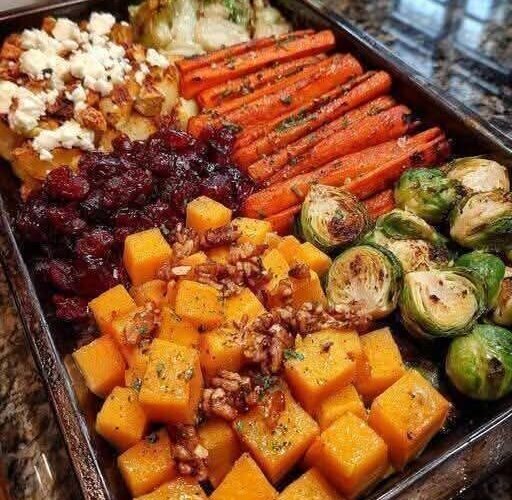
Caramelized Butternut Squash is a simple yet elegant side dish that transforms humble squash into a sweet, tender, and beautifully golden masterpiece. Roasting butternut squash allows its natural sugars to develop and caramelize, creating crispy edges, a buttery texture, and rich flavor that pairs perfectly with countless meals.
This recipe is ideal for fall and winter dinners, holiday gatherings, meal prep, and healthy weeknight cooking. The natural sweetness of butternut squash becomes even more pronounced when roasted, while a touch of olive oil, herbs, and seasoning enhances its earthy flavor.
Whether served alongside roasted chicken, turkey, pork, steak, or enjoyed as a vegetarian dish, caramelized butternut squash is always a crowd-pleaser.
Why You’ll Love This Recipe
This recipe is:
- Easy to make
- Naturally sweet
- Healthy and nutritious
- Perfect for holidays
- Family-friendly
- Gluten-free
- Vegetarian
- Great for meal prep
The roasting process creates irresistible golden edges while keeping the interior soft and creamy.
What Is Butternut Squash?
Butternut squash is a winter squash known for its:
- Sweet flavor
- Smooth texture
- Bright orange flesh
- Nutty taste
When roasted, it develops a rich caramelized flavor that makes it one of the most popular vegetables during cooler months.
Ingredients
For the Squash
- 1 large butternut squash (about 3 pounds)
- 2 tablespoons olive oil
- 1 tablespoon maple syrup
- 1 teaspoon salt
- ½ teaspoon black pepper
- ½ teaspoon garlic powder
- ½ teaspoon smoked paprika
Optional Garnishes
- Chopped parsley
- Toasted pecans
- Crumbled feta cheese
- Fresh thyme
- Pomegranate seeds
Equipment Needed
- Large baking sheet
- Sharp chef’s knife
- Vegetable peeler
- Mixing bowl
- Spatula
- Measuring spoons
Why Caramelization Matters
Caramelization occurs when natural sugars are exposed to heat.
This process creates:
- Rich flavor
- Golden color
- Crispy edges
- Sweetness
Roasting butternut squash at a high temperature encourages beautiful caramelization and enhances its natural taste.
Choosing the Best Butternut Squash
Look for a squash that is:
- Firm
- Heavy for its size
- Beige in color
- Free from soft spots
- Smooth-skinned
A ripe squash will provide the sweetest flavor and best texture.
Step 1: Prepare the Squash
Wash the squash thoroughly.
Using a vegetable peeler, remove the outer skin.
Cut off:
- Top stem end
- Bottom end
Slice the squash in half lengthwise.
Scoop out the seeds with a spoon.
Step 2: Cube the Squash
Cut the squash into cubes approximately:
- 1 inch in size
Uniform cubes help ensure even cooking.
Try to keep the pieces as consistent as possible.
Step 3: Preheat the Oven
Preheat your oven to:
- 425°F (220°C)
A hot oven is key for developing caramelized edges.
Step 4: Season the Squash
Place the cubed squash in a large bowl.
Add:
- Olive oil
- Maple syrup
- Salt
- Pepper
- Garlic powder
- Smoked paprika
Toss thoroughly until every piece is evenly coated.
Step 5: Arrange on a Baking Sheet
Spread the squash in a single layer on a baking sheet.
Avoid overcrowding.
Crowded vegetables steam rather than roast.
Proper spacing allows caramelization to occur.
Step 6: Roast
Place the baking sheet in the preheated oven.
Roast for:
- 25 minutes
Then remove and stir gently.
Return to the oven and roast for:
- 10 to 15 more minutes
until:
- Tender
- Deep golden brown
- Caramelized around the edges
Step 7: Check for Doneness
The squash is ready when:
- A fork slides in easily
- Edges are golden
- Centers are creamy
Proper roasting creates a balance of soft interiors and crispy edges.
Step 8: Garnish and Serve
Transfer to a serving dish.
Add optional toppings such as:
- Fresh parsley
- Toasted pecans
- Feta cheese
- Thyme
- Pomegranate seeds
Serve immediately while warm.
The Perfect Texture
Properly roasted butternut squash should be:
- Soft inside
- Slightly crisp outside
- Creamy
- Sweet
- Golden brown
The contrast between tender centers and caramelized edges makes this dish irresistible.
Why Maple Syrup Helps
A small amount of maple syrup enhances:
- Sweetness
- Color
- Caramelization
It works with the squash’s natural sugars rather than overpowering them.
Flavor Variations
Cinnamon Maple Squash
Add:
- 1 teaspoon cinnamon
for warm fall flavor.
Garlic Herb Squash
Add:
- Rosemary
- Thyme
- Sage
for a savory version.
Spicy Roasted Squash
Add:
- Cayenne pepper
- Red pepper flakes
for a touch of heat.
Parmesan Squash
Sprinkle grated Parmesan during the final 5 minutes of roasting.
Honey Butter Squash
Replace maple syrup with honey and add melted butter.
Nutritional Benefits
Butternut squash is packed with nutrients.
Vitamin A
Supports:
- Eye health
- Immune function
Vitamin C
Helps:
- Immune support
- Collagen production
Fiber
Promotes:
- Digestive health
- Satiety
Potassium
Supports:
- Heart health
- Muscle function
Meal Prep Instructions
Caramelized butternut squash is excellent for meal prep.
Prepare a large batch and use throughout the week.
It works well in:
- Salads
- Grain bowls
- Soups
- Wraps
- Pasta dishes
Storage Instructions
Store leftovers in an airtight container in the refrigerator for:
- Up to 5 days
Freezing Instructions
Freeze cooked squash for:
- Up to 3 months
Allow to cool completely before freezing.
Reheating
Reheat in:
Oven
350°F (175°C) for:
- 10 minutes
or
Air Fryer
350°F (175°C) for:
- 5 minutes
These methods help restore caramelized edges.
Serving Suggestions
Pair caramelized butternut squash with:
- Roast chicken
- Turkey
- Pork tenderloin
- Steak
- Salmon
- Lentils
- Quinoa
It also makes an excellent addition to holiday menus.
Holiday Favorite
This dish is especially popular during:
- Thanksgiving
- Christmas
- Autumn gatherings
- Family dinners
Its vibrant color and sweet flavor make it a beautiful seasonal side dish.
Common Mistakes to Avoid
Overcrowding the Pan
This prevents caramelization.
Use multiple pans if necessary.
Cutting Uneven Pieces
Uneven cubes cook at different rates.
Using Too Little Heat
High heat encourages browning.
Skipping the Stir
Turning the squash helps create even caramelization.
Underseasoning
Proper seasoning enhances the natural sweetness.
Frequently Asked Questions
Can I Use Frozen Butternut Squash?
Yes.
Frozen squash works well, though fresh usually caramelizes better.
Can I Make It Vegan?
This recipe is naturally vegan when using maple syrup.
Can I Prepare It Ahead?
Yes.
Cube and season the squash a day in advance.
Roast when ready to serve.
What Herbs Pair Well?
Excellent options include:
- Thyme
- Rosemary
- Sage
- Parsley
Can I Use Honey Instead of Maple Syrup?
Absolutely.
Honey creates a similarly delicious result.
Why This Recipe Works
The combination of:
- High heat
- Natural squash sugars
- Olive oil
- Maple syrup
creates a perfect environment for caramelization.
The result is a side dish that feels comforting, elegant, and full of flavor while requiring very little effort.
Perfect Occasions
Serve this recipe for:
- Holiday dinners
- Weeknight meals
- Potlucks
- Family gatherings
- Meal prep
- Vegetarian dinners
Its versatility makes it suitable for almost any occasion.
Final Thoughts
Caramelized Butternut Squash is one of the simplest yet most rewarding vegetable dishes you can make. Roasting transforms ordinary squash into tender, golden cubes with rich sweetness, crispy edges, and incredible flavor.
Whether served as a holiday side dish, added to salads and grain bowls, or enjoyed on its own, this recipe highlights the natural beauty of butternut squash in the most delicious way possible. With minimal ingredients and maximum flavor, it’s a recipe you’ll return to throughout the fall and winter seasons.