Olivia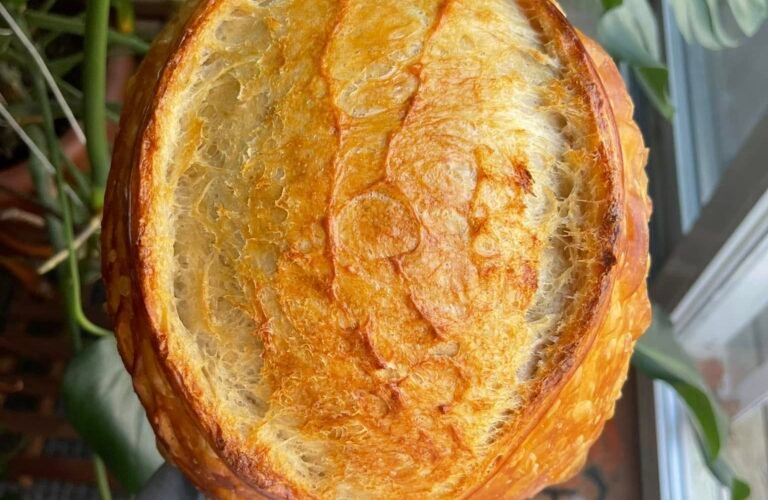
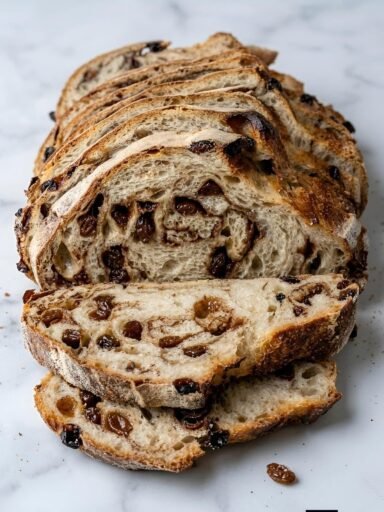
Blue Moon Sourdough Beer Bread is a rich, flavorful, rustic loaf with a beautifully soft interior, crisp golden crust, and subtle citrus sweetness from Blue Moon beer. Combining the deep flavor of sourdough with the malty richness of wheat beer creates a bakery-style artisan bread that feels comforting, hearty, and unique.
This recipe is perfect for sourdough lovers who want an easier artisan-style loaf without complicated shaping or difficult techniques. The Blue Moon beer adds incredible depth of flavor with light hints of orange and malt that pair beautifully with the tanginess of sourdough starter.
The result is a loaf that’s:
- Soft and chewy inside
- Golden and crusty outside
- Slightly tangy
- Richly flavored
- Wonderfully aromatic
This bread pairs beautifully with:
- Soups
- Stews
- Chili
- Cheese boards
- Sandwiches
- Toast and butter
Whether enjoyed warm from the oven or toasted the next morning, this Blue Moon sourdough beer bread is comforting homemade baking at its finest.
Why You’ll Love This Bread
This sourdough beer bread is:
- Rich and flavorful
- Rustic and artisan-style
- Made with sourdough starter
- Infused with Blue Moon beer flavor
- Soft and chewy
- Easy to make
- Perfect for beginners
- Great for sandwiches and toast
- Excellent with soups and dinners
The beer creates incredible flavor complexity while helping produce soft texture.
What Makes Blue Moon Beer Special?
Blue Moon is a Belgian-style wheat ale known for:
- Light citrus flavor
- Mild sweetness
- Smooth texture
- Orange peel notes
- Subtle spice
These flavors work beautifully in bread because they complement sourdough tanginess without overpowering it.
The beer also helps:
- Enhance yeast activity
- Add moisture
- Improve crust color
- Create deeper flavor
Ingredients
Main Dough
- 3 1/2 cups bread flour
- 1 cup active sourdough starter
- 1 bottle Blue Moon beer (12 ounces)
- 1 teaspoon salt
- 1 tablespoon honey
- 1 tablespoon olive oil
Optional Add-Ins
- Orange zest
- Sharp cheddar cheese
- Fresh herbs
- Roasted garlic
Equipment Needed
- Large mixing bowl
- Dutch oven or baking stone
- Dough scraper
- Kitchen towel
- Banneton basket (optional)
- Sharp knife or bread lame
Why Beer Works So Well in Bread
Beer adds:
- Malty flavor
- Moisture
- Better crust color
- Slight sweetness
- Depth of flavor
The carbonation can also help lighten the dough slightly.
Dark beers create stronger flavor while wheat beers like Blue Moon produce softer, lighter flavor.
Why Sourdough Makes Better Bread
Sourdough naturally creates:
- Better texture
- Chewier crumb
- Richer flavor
- Slight tanginess
- Longer freshness
The fermentation process develops flavor naturally without needing additives.
Step 1: Prepare the Starter
Your sourdough starter should be:
- Active
- Bubbly
- Recently fed
A healthy active starter helps the bread rise properly and creates beautiful texture.
To test readiness:
- Drop a spoonful into water
- If it floats, it’s ready to use
Step 2: Mix the Dough
In a large bowl, combine:
- Sourdough starter
- Blue Moon beer
- Honey
- Olive oil
Stir gently.
Gradually add:
- Bread flour
- Salt
Mix until a shaggy dough forms.
The dough may feel slightly sticky, which is normal.
Avoid adding too much flour because wetter dough creates softer bread.
Step 3: Rest the Dough
Cover the bowl and let the dough rest for:
- 30 minutes
This resting stage is called:
- Autolyse
It helps:
- Hydrate the flour
- Improve gluten development
- Make kneading easier
Step 4: Knead the Dough
After resting, knead the dough for:
- 8 to 10 minutes
until:
- Smooth
- Elastic
- Slightly tacky
You can knead:
- By hand
or - With a stand mixer
The dough should stretch slightly without tearing.
Step 5: First Rise
Place the dough into a lightly greased bowl.
Cover with:
- Plastic wrap
or - Damp towel
Allow to rise for:
- 4 to 6 hours
depending on room temperature.
The dough should become:
- Puffy
- Airy
- Slightly doubled
Sourdough rises more slowly than regular yeast bread, which helps develop flavor.
Optional Stretch and Fold Method
For better structure, perform stretch-and-folds every:
- 30 minutes
during the first 2 hours.
To do this:
- Pull one side of the dough upward
- Fold toward center
- Rotate bowl
- Repeat
This strengthens gluten gently.
Step 6: Shape the Dough
Turn the dough onto a lightly floured surface.
Shape into a round loaf by:
- Folding edges inward
- Rotating while tightening surface tension
Try not to deflate the dough too much.
Good shaping helps create beautiful oven spring.
Step 7: Second Rise
Place shaped dough into:
- Banneton basket
or - Bowl lined with floured towel
Cover lightly.
Allow to rise for:
- 1 to 2 hours
until slightly puffy.
You can also refrigerate overnight for deeper flavor.
Cold fermentation improves sourdough flavor significantly.
Step 8: Preheat the Oven
Preheat oven to:
- 450°F (230°C)
Place Dutch oven inside while preheating.
A hot Dutch oven creates steam that helps develop:
- Crispy crust
- Beautiful rise
- Artisan texture
Step 9: Score the Dough
Carefully transfer dough onto parchment paper.
Use a sharp knife or bread lame to score the top.
Scoring allows controlled expansion during baking.
Simple cuts work perfectly.
Step 10: Bake the Bread
Carefully place dough into the hot Dutch oven.
Cover with lid.
Bake for:
- 30 minutes covered
Then remove lid and bake:
- 15 to 20 more minutes
until:
- Deep golden brown
- Crisp crust
- Hollow sound when tapped
Internal temperature should reach:
- About 205°F to 210°F
Step 11: Cool Completely
Transfer bread to a wire rack.
Allow to cool for:
- At least 1 hour
before slicing.
This step is important because the crumb continues setting while cooling.
Cutting too early may create gummy texture.
Texture and Flavor
This Blue Moon sourdough beer bread is:
- Crispy outside
- Soft and chewy inside
- Slightly tangy
- Mildly malty
- Lightly citrusy
- Rich and hearty
The Blue Moon beer adds subtle orange and wheat flavor that complements the sourdough beautifully.
Tips for Perfect Sourdough Beer Bread
Use Active Starter
Weak starter creates dense bread.
Avoid Too Much Flour
Sticky dough creates softer crumb.
Allow Enough Rise Time
Sourdough develops slowly.
Patience improves flavor and texture.
Bake in a Dutch Oven
Steam helps create artisan crust.
Cool Before Slicing
Cooling improves crumb texture.
Flavor Variations
This recipe is easy to customize.
Cheddar Beer Bread
Add shredded sharp cheddar cheese.
Orange Honey Beer Bread
Add orange zest and extra honey.
Garlic Herb Beer Bread
Mix in roasted garlic and herbs.
Jalapeño Cheddar Bread
Add diced jalapeños and cheese for spicy flavor.
Whole Wheat Beer Bread
Replace part of the flour with whole wheat flour.
Why Dutch Ovens Help Bread Baking
Dutch ovens trap steam during baking.
This helps create:
- Crisp crust
- Better oven spring
- Artisan texture
- Beautiful browning
Steam keeps the crust soft initially so the loaf can expand fully.
Storage Instructions
Room Temperature
Store wrapped for:
- 2 to 3 days
Freezer
Freeze sliced bread for up to:
- 2 months
Wrap tightly to prevent freezer burn.
Reheating Instructions
Warm slices:
- In toaster
or - Oven
for fresh-baked flavor.
Best Ways to Serve This Bread
This bread pairs wonderfully with:
- Butter
- Honey
- Soup
- Chili
- Cheese
- Sandwich fillings
- Eggs
- Roasted meats
It also makes excellent:
- Garlic bread
- Grilled cheese
- Toast
Common Mistakes to Avoid
Using Inactive Starter
Weak starter reduces rise.
Overflouring the Dough
Too much flour creates dry dense bread.
Underproofing
Underproofed dough lacks volume.
Cutting Too Early
Warm bread may become gummy inside.
Skipping Steam
Steam helps create crisp artisan crust.
Frequently Asked Questions
Can I Use Another Beer?
Yes.
Other wheat ales or light beers work well.
Different beers create different flavor profiles.
Can I Use All-Purpose Flour?
Yes, though bread flour creates chewier texture.
Can I Make This Without a Dutch Oven?
Yes.
Place a tray of hot water in the oven to create steam.
Can I Refrigerate Overnight?
Absolutely.
Cold fermentation improves flavor significantly.
Why This Recipe Works
The combination of:
- Active sourdough starter
- Blue Moon beer
- Long fermentation
- Steam baking
creates bread with incredible flavor and texture.
The beer enhances maltiness while the sourdough develops tangy artisan character.
Together they create a loaf that feels rich, rustic, and bakery-quality.
Perfect Occasions for This Bread
This bread is ideal for:
- Cozy dinners
- Holiday meals
- Soup nights
- Sandwich making
- Weekend baking
- Artisan bread lovers
- Family gatherings
Its rustic appearance and incredible aroma make it especially impressive for entertaining.
Final Thoughts
Blue Moon Sourdough Beer Bread is rustic, flavorful, comforting, and beautifully homemade. The combination of sourdough tanginess and subtle citrusy wheat beer flavor creates a loaf that’s rich, chewy, soft inside, and perfectly crisp outside.
This artisan-style bread feels impressive yet approachable, making it perfect for both beginner bakers and experienced sourdough enthusiasts. Whether served alongside soup, toasted with butter, or used for sandwiches, every slice delivers incredible homemade flavor and texture.
Once you taste the rich crust, soft crumb, and subtle beer flavor of this sourdough beer bread, it’s sure to become one of your favorite homemade artisan bread recipes.